Steel forging is essential to manufacturing, enabling the creation of high-strength, durable products. India, with its vast industrial base, hosts numerous renowned forging companies that provide advanced steel forging services.
These companies are meeting the growing demand for forged products. From automotive components to heavy machinery parts, while playing a pivotal role in the global market.
This blog explores the key aspects of steel forging services in India, their impact on manufacturing, and how forging company in India are shaping the industry’s future.
What is Steel Forging?
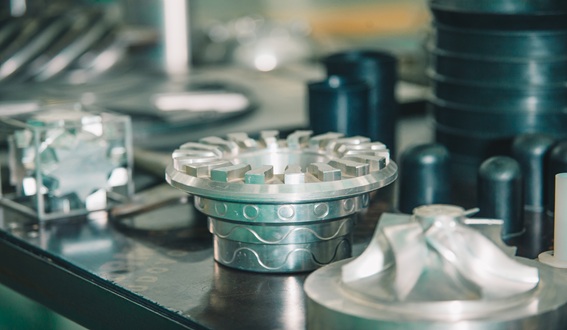
Steel forging is a manufacturing process that shapes metal using compressive forces. As one of the oldest and most effective metal-forming techniques, it produces components with unmatched strength and durability.
The process involves heating steel until it becomes malleable and then applying force to shape it. Forged components excel in applications requiring high strength and heat resistance, such as automotive, aerospace, and heavy equipment industries.
Compared to casting or machining, steel forging delivers superior mechanical properties, including tensile strength, toughness, and fatigue resistance.
Types of Forging Processes
India’s forging industry employs several advanced techniques to produce top-quality steel products. Here are the most common forging processes:
Open Die Forging
Open-die forging deforms metal between dies that do not completely enclose the workpiece. Industries like shipbuilding and aerospace use this process to produce large components such as shafts, discs, and rings.
Closed Die Forging
Also called impression die forging, this method compresses metal between two dies that completely enclose the workpiece. Manufacturers use it to create smaller, high-precision components for sectors like automotive and defense.
Seamless Rolled Ring Forging
This process forms seamless rings by rolling forged material between dies until it achieves the desired diameter and thickness. These rings are commonly used in applications requiring high rotational strength.
Applications of Steel Forging in India
Steel forging services in India cater to a diverse range of industries. These are some key applications:
Automotive Industry
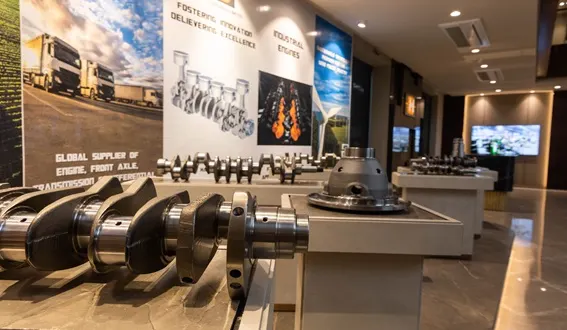
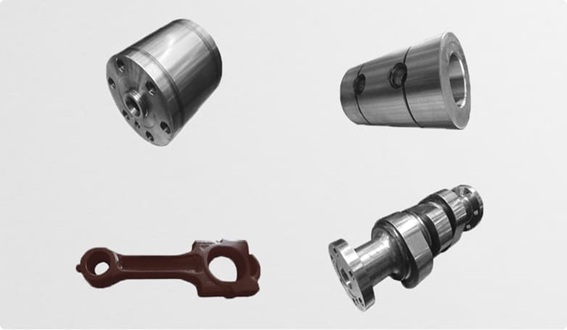
The automotive sector relies heavily on forged steel products. Components like crankshafts, connecting rods, gears, and axles enhance vehicle safety and performance.
Indian forging products manufacturers companies are recognized for producing automotive parts that meet global standards.
Aerospace Industry
Aerospace applications demand strength, reliability, and precision. Forged steel parts, such as landing gear and engine components, can withstand the high stresses and temperatures associated with flight.
Railway and Infrastructure
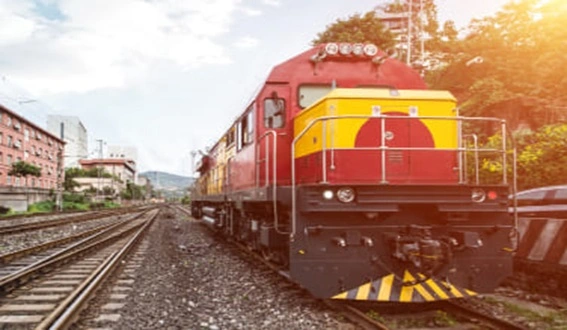
Steel forgings are integral to India’s railway and infrastructure sectors. Components like couplings, brake parts, and fasteners ensure durability in rail tracks and construction projects.
Oil and Gas Industry
Forged steel products are vital for drilling equipment, pipelines, and valves. Their ability to endure extreme pressures and temperatures makes them ideal for oil and gas applications.
Advantages of Steel Forging
Steel forging offers several advantages, making it a preferred choice for manufacturers:
Strength and Durability
The forging process aligns steel’s grain structure, resulting in products with superior strength and impact resistance compared to cast or machined parts.
Cost-Effective Production
Forging becomes cost-effective for high-volume production. Although the initial setup costs are higher, the per-unit cost reduces significantly with large-scale production.
Versatility in Design
Forging enables the creation of complex shapes and custom designs, accommodating specific needs across industries.
Enhanced Performance
Forged parts exhibit superior wear resistance and fatigue strength, making them suitable for demanding applications like automotive engines and heavy machinery.
The Role of Indian Forging Companies in Global Manufacturing
India’s forging companies significantly contribute to the global supply chain by delivering high-quality components. Their competitive advantages include:
Cost Efficiency
Lower labor and production costs make Indian companies highly competitive in the international market.
Skilled Workforce
India boasts a large pool of skilled workers proficient in advanced forging, ensuring top-notch production quality.
Technological Advancements
Indian companies increasingly adopt modern technologies such as automation and precision forging to enhance efficiency and accuracy.
The Future of Steel Forging in India
The steel forging industry in India has a bright future, driven by several emerging trends:
Sustainability and Eco-Friendly Practices
Indian forging companies are adopting energy-efficient technologies and recycling programs to reduce environmental impact.
Advanced Materials
The industry is experimenting with new alloys and lightweight materials to improve performance, especially in aerospace and electric vehicles.
Global Supply Chain Integration
Indian manufacturers are expanding their global reach through digital platforms, making high-quality forged components more accessible to international markets.
In conclusion
Steel forging services in India are shaping the future of global manufacturing. Indian forging companies excel in producing high-quality components for automotive, aerospace, and infrastructure sectors, ensuring global standards are met.
For reliable steel forging solutions, trust Happy Forging Ltd. (HFL). With years of expertise and a commitment to quality, HFL delivers world-class forging services to industries worldwide.