Forging has been a crucial process in metal fabrication, significantly contributing to various industries, including automotive, aerospace, and construction. In India, the forging industry has grown substantially, with companies like Happy Forging Ltd. (HFL) leading the way. HFL, a renowned forging company in India, has set benchmarks in quality, innovation, and customer satisfaction. This blog delves into the forging process, its significance, and how HFL has become a pioneer.
What is Forging?
Forging is a manufacturing process where metal is shaped using compressive forces. This process enhances the metal’s structural integrity, making it stronger and more durable. There are different types of forging, including open-die forging, closed-die forging, and rolled-ring forging, each serving specific purposes and industries.
Types of Forging
1. Open-Die Forging: This method involves deforming a metal piece between multiple dies that do not enclose the metal entirely. It is used for large, simple-shaped components.
2. Closed-Die Forging: Also known as impression-die forging, this process involves metal being placed in a die resembling a mold, which is then hammered or pressed. It is ideal for more complex shapes.
3. Rolled-Ring Forging: This type involves creating a seamless ring by piercing a hole in a thick, round piece of metal and then rolling it into a thin ring. It is commonly used in the production of bearings and gears.
Importance of Forging in Metal Fabrication
Forging plays a pivotal role in metal fabrication due to several reasons:
1. Enhanced Strength: The forging process aligns the metal’s grain structure, resulting in improved strength and durability.
2. Superior Quality: Forged components exhibit better mechanical properties and can withstand high stress and load conditions.
3. Cost-Effective Production: Forging reduces material wastage, making it a cost-effective method for producing high-quality metal parts.
4. Versatility: The process is adaptable for various metals, including steel, aluminum, and titanium, catering to diverse industrial needs.
HFL: A Leader in Forging Excellence
Happy Forging Ltd. (HFL) stands out as a forging company in India due to its commitment to quality, innovation, and customer satisfaction. Established with the vision of providing top-notch forging solutions, HFL has continuously evolved, embracing advanced technologies and processes.
Advanced Technology and Infrastructure
HFL boasts state-of-the-art infrastructure, equipped with advanced forging presses, automated systems, and quality control laboratories. The company’s focus on technological advancements ensures precision, efficiency, and consistency in its forging processes. By integrating modern techniques, HFL has achieved remarkable milestones in production and quality standards.
Skilled Workforce and Expertise
One of HFL’s core strengths lies in its skilled workforce and expertise. The company employs a team of experienced engineers, technicians, and craftsmen who are proficient in various forging techniques. Continuous training and development programs ensure that the team stays updated with the latest industry trends and practices.
Commitment to Quality
Quality is paramount at HFL. The company adheres to stringent quality control measures at every stage of the forging process, from raw material selection to final inspection. By implementing rigorous testing protocols, HFL guarantees that its products meet international quality standards, ensuring reliability and durability.
Applications of Forged Products
Forged products find applications across numerous industries, each benefiting from the unique advantages of forged components.
Automotive Industry
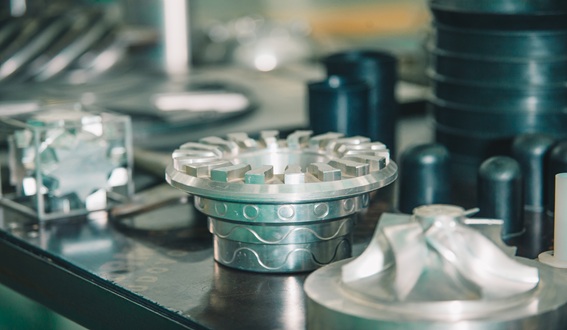
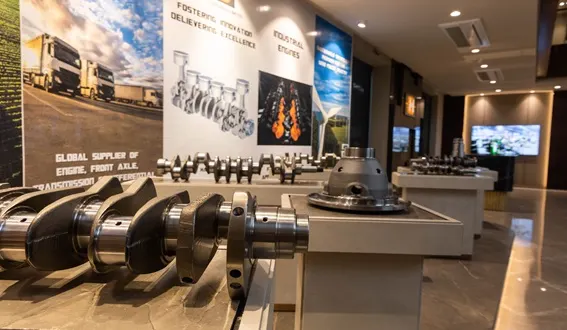
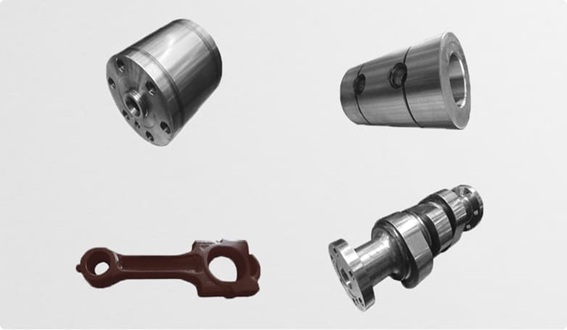
In the automotive sector, forged parts are integral to vehicle performance and safety. Components such as crankshafts, connecting rods, and gears are commonly forged to withstand high stress and ensure longevity.
Aerospace Industry
The aerospace industry demands components that can endure extreme conditions and maintain structural integrity. Forged products like turbine blades, aircraft fittings, and landing gear are critical for aircraft performance and safety.
Construction and Heavy Machinery
Forged components are essential in construction and heavy machinery due to their robustness and reliability. Excavator arms, bulldozer blades, and crane hooks are examples of forged parts that enhance the durability and efficiency of construction equipment.
Future Prospects and Innovations
Looking ahead, Forging Companies aims to further strengthen its position as a leading forgings company across the globe by exploring new markets and investing in research and development. The company plans to introduce innovative forging techniques and expand its product portfolio to cater to emerging industry demands. Companies like HFL are committed to excellence and innovation, positioning them for continued growth and success in the forging industry.
In conclusion
Forging is a vital process in metal fabrication, offering numerous benefits such as enhanced strength, superior quality, and cost-effective production. Happy Forging Ltd. (HFL) exemplifies excellence in this field, with its advanced technology, skilled workforce, and unwavering commitment to quality. As a pioneering forgings company in India, HFL continues to set benchmarks, driving innovation and customer satisfaction.