Passenger safety in the railway industry is a top priority. Ensuring this safety starts with the components that make up the trains and rail systems. From the braking mechanisms to the suspension systems, every element contributes to the smooth functioning of trains and, ultimately, to passenger protection.
This blog delves into the role of high-quality railway components in ensuring safety and highlights why manufacturers need to maintain stringent standards.
The Role of Quality Railway Components in Safety
Railways operate under high-speed, high-stress conditions, often over challenging terrain and in varying climates. As such, each component of a train must be designed to handle significant mechanical and environmental stress. High-quality parts directly contribute to:
- Minimizing Accidents: Faulty or substandard components can lead to failures, which may cause accidents. Reliable parts prevent such risks.
- Enhancing Stability: Components like axles, wheels, and couplers maintain the structural integrity of the train, reducing the risk of derailment.
- Improving Braking Efficiency: Effective braking systems are vital in ensuring timely stops and handling emergencies safely.
Key Railway Components and Their Impact on Safety
Critical components like axles, brakes, and suspension systems directly influence the train’s stability, braking efficiency, and overall safety, making their quality non-negotiable.
- Axles and Wheels
Axles and wheels are foundational to the railway system. They bear the weight of the train, distribute forces evenly, and facilitate smooth movement. Axles must be strong enough to handle dynamic loads without deformation, while wheels require a perfect balance of strength and precision to avoid wear and tear. High-quality axles and wheels ensure track stability, contributing to passenger comfort and safety.
- Braking Systems
Braking systems are the unsung heroes of rail safety. Components such as brake discs and calipers must operate flawlessly under extreme heat and pressure. Efficient brakes reduce stopping distances, preventing collisions and enabling better speed management.
- Couplers and Connections
Couplers join train carriages securely, maintaining alignment and stability even under stress. Any failure in this system can result in derailments or separation of carriages, posing significant safety risks.
- Suspension Systems
The suspension system absorbs shocks from track irregularities, ensuring that trains stay aligned and balanced. High-quality suspension parts reduce the strain on other components and enhance passenger comfort by minimizing vibrations.
How Quality is Ensured in Railway Components
Ensuring the safety of railway components involves a combination of advanced manufacturing techniques and rigorous quality control. Here’s how industry leaders achieve this:
- Material Excellence:
Components are manufactured using materials with high tensile strength, wear resistance, and the ability to withstand harsh environments. - Precision Engineering:
Modern manufacturing technologies like forging ensure that components are uniform, durable, and capable of meeting stringent performance standards. - Testing and Certification:
Rigorous testing ensures components meet international safety and performance standards. This includes fatigue testing, thermal resistance checks, and structural integrity evaluations.
Benefits of Using High-Quality Railway Components
High-quality railway components ensure operational reliability, reduce maintenance costs, and enhance passenger safety by minimizing the risk of failures during transit. Have a look at some of the highlighted benefits-
- Reduced Maintenance Costs
High-quality components last longer, reducing the frequency and cost of repairs. This reliability translates into significant savings for railway operators. - Enhanced Passenger Comfort
Components like axles, suspension systems, and wheels contribute to smoother rides, improving passenger experiences. - Increased Operational Efficiency
Reliable components minimize downtime due to repairs or breakdowns, ensuring punctual operations. - Boosted Safety Standards
Components designed to withstand extreme conditions and stress significantly reduce the risk of accidents, enhancing overall safety for passengers and railway staff.
Industry Practices for Safer Railways
The railway industry continually evolves to meet increasing safety demands. Best practices include:
- Regular Maintenance:
Periodic inspections and replacements of worn-out parts prevent sudden failures and ensure smooth operations. - Use of Advanced Materials:
Lightweight and durable materials, such as advanced alloys, reduce wear and improve efficiency. - Collaboration with Trusted Manufacturers:
Working with reliable railway parts manufacturers in India ensures access to high-quality, long-lasting components.
Why Quality Matters More Than Ever
As railways expand to accommodate growing passenger and freight needs, the importance of durable and efficient components has become even more evident. High-speed trains, for instance, demand parts that can endure extreme stress and temperatures without compromising safety.
Substandard components can result in costly delays, accidents, and loss of trust among passengers. By investing in top-quality parts, railway operators can enhance the reliability of their systems and protect lives.
A Glimpse into Forged Components
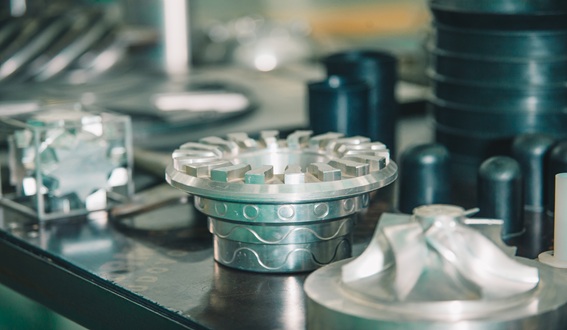
Forged components, known for their superior strength and durability, have become integral to modern railway systems. From axles to couplers, forged parts can withstand high stress and extreme conditions. The forging process enhances the mechanical properties of materials, making them ideal for critical railway applications.
A Note on Happy Forging Ltd.
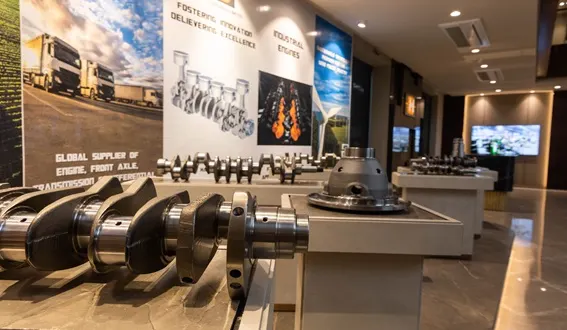
Manufacturers like Happy Forging Ltd. (HFL) contribute significantly to railway safety by producing precision-engineered components. While ensuring durability and reliability, HFL emphasizes meeting international quality standards. Their expertise in forging processes enables the production of axles, couplers, suspension systems, and more that prioritize safety without compromising performance.
As one of the prominent forgings products manufacturers, HFL balances innovation with quality, catering to the growing demands of modern rail systems.
In conclusion
Passenger safety in railways hinges on the quality and reliability of its components. From axles to braking systems, every part must function seamlessly to ensure smooth operations. While innovation and technology continue to push boundaries, the commitment to producing top-quality components remains at the heart of railway safety.
Railway operators and manufacturers must work together to maintain high safety standards, ensuring every journey is secure and efficient. The industry can uphold its promise of safe and reliable travel by prioritizing durability, performance, and precision.