The automotive industry is undergoing a transformative phase, driven by advancements in technology, changing consumer preferences, and a growing focus on sustainability. The auto parts manufacturing industry plays a critical role in supporting this evolution, ensuring vehicles meet performance, safety, and environmental standards. As we look ahead, several key trends are set to shape the future of this dynamic sector.
Emerging Trends Shaping the Auto Parts Manufacturing Industry
The auto parts manufacturing sector is transforming and is driven by innovations, environmental consciousness, and changing consumer preferences. As the industry adapts to these shifts, it sets the stage for sustainable growth and cutting-edge advancements in automotive technology.
1. Emphasis on Lightweight Materials
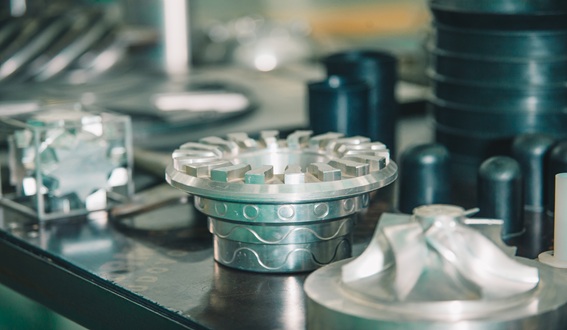
With increasing demand for fuel-efficient and eco-friendly vehicles, manufacturers are focusing on lightweight materials. Components made from aluminum, high-strength steel, and composite materials are gaining traction for their ability to reduce vehicle weight without compromising safety or performance.
Lightweight materials not only improve fuel efficiency but also enhance the electric vehicle (EV) range, making them crucial for the future of automotive design.
2. Integration of Advanced Manufacturing Technologies
The adoption of advanced manufacturing technologies such as additive manufacturing (3D printing), automation, and artificial intelligence (AI) is revolutionizing the production of auto parts. These technologies enable:
- Precision Engineering: Ensuring consistent quality and reduced material waste.
- Customization: Producing parts tailored to specific requirements.
- Efficiency: Streamlining operations and reducing production timelines.
For example, forging companies in India are increasingly leveraging automation to enhance the consistency and durability of components.
3. Rise of Electric Vehicle (EV) Components
The global shift toward electric mobility is reshaping the demand for auto parts. Traditional components like internal combustion engine (ICE) parts are being replaced by those tailored for EVs, such as:
- Electric drive motors
- Battery packs
- Charging systems
Manufacturers must adapt to this changing demand by retooling production lines and investing in new technologies.
4. Sustainability and Circular Manufacturing
Environmental concerns are pushing the auto parts industry toward more sustainable practices. Circular manufacturing, which focuses on recycling and reusing materials, is gaining momentum.
Many companies are adopting eco-friendly production methods to:
- Reduce carbon footprints.
- Minimize waste during production.
- Utilize recycled materials in auto parts.
This trend is particularly evident among leading auto parts manufacturers in India, who are aligning with global sustainability goals.
5. Increased Focus on Digital Twins
Digital twin technology is emerging as a game-changer for the automotive sector. By creating virtual replicas of physical components, manufacturers can simulate real-world conditions to test performance, durability, and safety.
This approach not only reduces development costs but also accelerates the time to market for new products.
6. Global Supply Chain Diversification
Recent global disruptions have highlighted the importance of resilient supply chains. The auto parts industry is increasingly focusing on:
- Regional Manufacturing Hubs: To reduce dependency on a single region.
- Strategic Partnerships: With local suppliers for better resource allocation.
India, with its strong industrial base, is becoming a preferred hub for sourcing auto parts. Its skilled workforce, cost-effective solutions, and advanced manufacturing capabilities position the country as a leading auto parts manufacturer in India.
7. Growth of Smart and Connected Components
The rise of autonomous and connected vehicles is creating demand for smart components equipped with sensors, processors, and communication systems. These include:
- Smart braking systems.
- Advanced driver assistance systems (ADAS).
- Connected infotainment modules.
To cater to this trend, manufacturers are investing heavily in R&D and collaborating with technology firms.
8. Shift Toward Modular Manufacturing
Modular manufacturing is gaining traction as it allows for the production of versatile components that can be used across different vehicle models. This approach simplifies supply chains and reduces production costs, enabling manufacturers to cater to diverse market demands more efficiently.
9. Focus on Workforce Upskilling
As the industry integrates advanced technologies, there is a growing need to upskill the workforce. Manufacturers are investing in training programs to equip workers with the knowledge and expertise to operate and maintain new machinery and systems.
This focus on skill development ensures the seamless adoption of innovative manufacturing techniques.
10. Forging’s Role in the Future of Auto Parts
Forging remains a cornerstone of the auto parts manufacturing industry, known for its ability to produce durable and high-performance components. As a trusted forging company in India, Happy Forging Ltd. (HFL) continues to innovate in this space by adopting advanced forging technologies and sustainable practices.
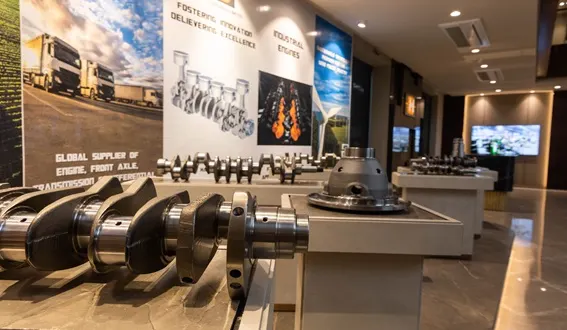
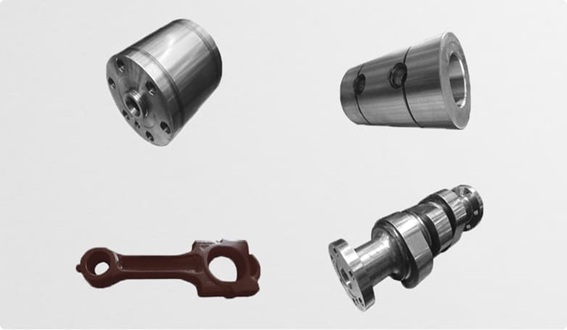
Forged components such as gears, crankshafts, and suspension parts are critical for ensuring vehicle safety and performance. The forging process allows for greater strength and precision, meeting the evolving needs of modern vehicles.
In conclusion
The future of the auto parts manufacturing industry is marked by innovation, sustainability, and adaptability. Manufacturers must embrace new technologies, materials, and practices to stay competitive and meet the changing demands of the automotive sector.
With its robust manufacturing ecosystem, India is poised to play a pivotal role in this transformation. Companies like Happy Forging Ltd. exemplify the commitment to quality and innovation, ensuring the industry’s readiness for the challenges and opportunities that lie ahead.
For reliable and cutting-edge auto parts solutions, trust manufacturers who combine expertise with forward-thinking approaches to drive the industry forward.