Choosing the right auto parts manufacturer in India is critical for businesses that require reliable, precise and durable automotive components. The manufacturer you select can directly affect product quality, vehicle performance, production schedules and long-term operating costs.
Price is important, but it should not be the only consideration. Buyers must also evaluate manufacturing experience, technical capabilities, quality systems, production capacity and supply reliability.
Here are ten essential factors to consider when selecting an automotive component manufacturer in India.
1. Evaluate Automotive Manufacturing Experience
Automotive components must meet demanding standards for strength, dimensional accuracy, durability and safety. An experienced manufacturer is more likely to understand these requirements and deliver consistent results across large production volumes.
When evaluating experience, consider:
- Years in the manufacturing industry
- Automotive applications served
- Experience working with OEMs
- Knowledge of safety-critical components
- Domestic and international market presence
Happy Forgings Limited has more than four decades of experience in manufacturing forged and high-precision machined components for automotive and industrial applications.
2. Review the Product Portfolio
A manufacturer’s product range can reveal its technical expertise and familiarity with different automotive systems.
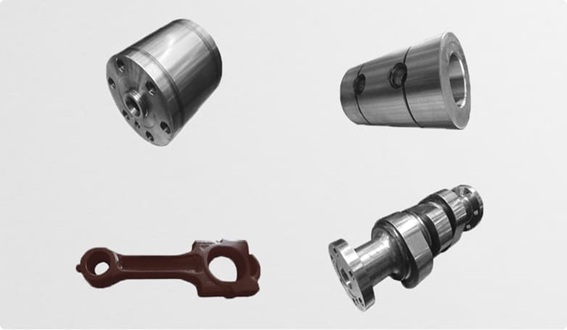
Happy Forgings manufactures products such as:
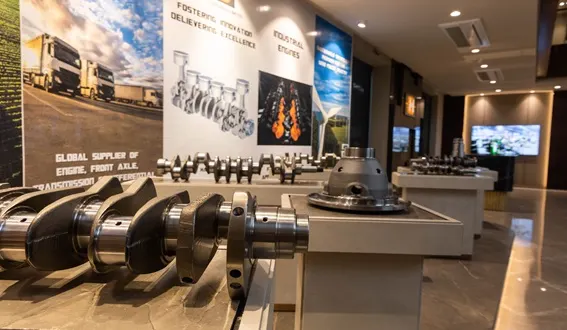
- Crankshafts
- Transmission components
- Steering knuckles
- Front axle beams
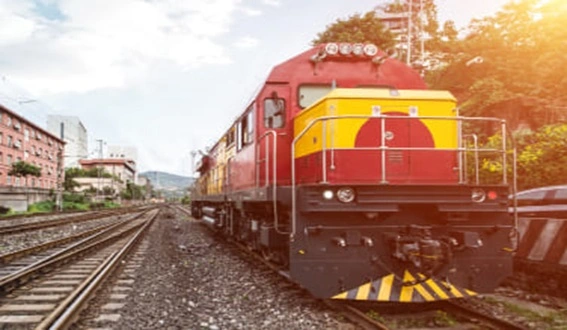
- Railway Parts
- Suspension components
Buyers should confirm whether the manufacturer has experience with their required component, material, dimensions and application.
3. Assess Forging and Machining Capabilities
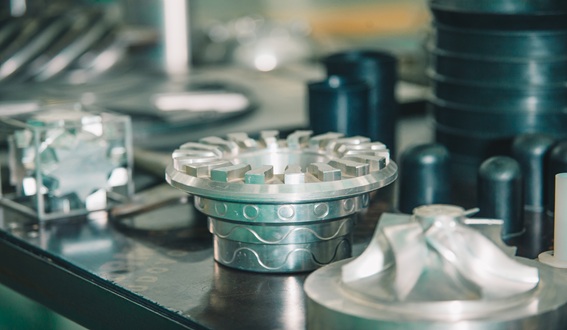
Many automotive components require a combination of forging and machining. Forging provides the required mechanical properties, while precision machining helps achieve final dimensions, tolerances and surface finishes.
A capable auto parts manufacturer in India should have suitable facilities for:
- Closed-die forging
- CNC turning and milling
- Heat treatment
- Drilling and grinding
- Tool and die development
- Dimensional inspection
Integrated manufacturing operations can provide better control over quality, production schedules and component consistency.
4. Verify Quality Certifications
Automotive buyers should verify whether a manufacturer follows recognised quality-management systems.
Important certifications and processes may include:
- IATF 16949
- ISO 9001
- Raw-material inspection
- In-process quality checks
- Final component testing
- Batch traceability
Do not rely only on certification logos. Confirm the certificate’s validity, scope and applicability to the facility producing your components.
5. Examine Testing and Inspection Facilities
Testing is particularly important for components used in high-load and safety-critical applications. A manufacturer should be able to inspect raw materials, forged parts, machined dimensions and finished components.
Depending on the product, testing may include:
- Chemical composition analysis
- Mechanical property testing
- Hardness testing
- Metallurgical examination
- Dimensional inspection
- Non-destructive testing
Buyers should ask which tests are conducted during production and which quality documents are supplied with completed orders.
6. Check Engineering and Customisation Support
Automotive components may vary in design, dimensions, material grades, tolerances and operating conditions. The chosen manufacturer should understand technical drawings and convert them into a reliable production process.
Look for capabilities such as:
- Product and process development
- Design-feasibility analysis
- Material selection support
- Tool and die development
- Prototype development
- Process optimisation
Strong engineering support can simplify product development and reduce the risk of production problems.
7. Understand Production Capacity
The manufacturer must be able to meet your current requirements while supporting future growth.
Evaluate its:
- Forging and machining infrastructure
- Component-specific production capacity
- Skilled workforce
- Capacity planning
- Expansion capabilities
- Contingency arrangements
Do not assess a company only by its total installed capacity. Confirm the capacity available for your particular component and process.
8. Review Delivery and Supply Reliability
Automotive production depends on the timely delivery of components. Supply delays can interrupt production, increase inventory costs and affect customer commitments.
Before selecting a supplier, discuss:
- Raw-material sourcing
- Production lead times
- Packaging standards
- Dispatch planning
- Order tracking
- Export and logistics support
- Disruption-management plans
Previous delivery performance should also be reviewed before entering a long-term agreement.
9. Compare Overall Value, Not Only Price
The lowest quotation may not provide the best long-term value. Inconsistent components can result in rejection, downtime, replacements, warranty claims and additional inspection costs.
Compare suppliers based on the complete offering, including:
- Material specifications
- Manufacturing processes
- Dimensional tolerances
- Testing requirements
- Packaging and delivery
- Engineering support
A suitable manufacturing partner should offer the right balance of quality, reliability, technical support and commercial value.
10. Review Sustainability and Compliance
Sustainability and regulatory compliance are becoming increasingly important across the automotive supply chain. OEMs and international buyers may expect manufacturers to demonstrate responsible operating practices.
Relevant considerations include:
- Environmental-management practices
- Energy-efficiency initiatives
- Waste reduction
- Employee health and safety
- Regulatory compliance
- ESG policies
These factors are particularly important for businesses working with global customers and responsible sourcing requirements.
Why Consider Happy Forgings Limited?
Happy Forgings Limited specialises in heavy forged and high-precision machined components for automotive and industrial applications.
Its integrated operations combine product and process development, forging and precision machining. This allows the company to manufacture technically complex components requiring strength, dimensional control and consistent quality.
Its automotive portfolio includes crankshafts, transmission components, steering knuckles, front axle beams, differential cases, suspension components and other precision-engineered products.
In addition to automotive applications, the company serves industries such as farm equipment, off-highway vehicles, railways, oil and gas, power generation and wind energy.
Businesses searching for a reliable auto parts manufacturer in India can assess Happy Forgings based on its manufacturing experience, integrated capabilities, product portfolio and ability to support specific technical requirements.
Questions to Ask Before Selecting a Manufacturer
Before finalising an automotive component manufacturer, ask:
- Does it have experience producing the required component?
- Which quality certifications does it hold?
- Can it meet the required materials and tolerances?
- Which manufacturing processes are handled in-house?
- What testing and inspection procedures are followed?
- Can its capacity support future demand?
- How is component traceability maintained?
- What are the expected production and delivery timelines?
In conclusion
Choosing the right auto parts manufacturer in India requires more than comparing prices. Buyers should carefully assess manufacturing experience, technology, engineering support, quality systems, capacity and delivery reliability.
With more than four decades of experience and integrated forging and precision-machining capabilities, Happy Forgings Limited is positioned to support demanding automotive and industrial component requirements.
Businesses can contact Happy Forgings Limited to discuss their component drawings, technical specifications and production requirements.