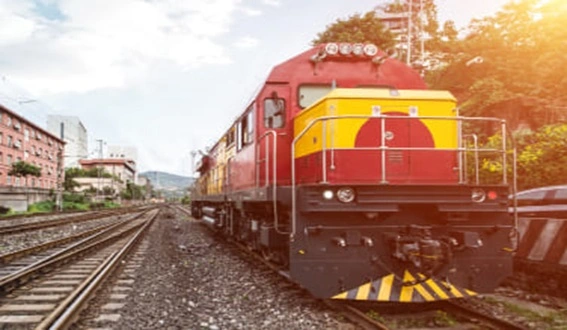
India’s railway network, one of the largest in the world, is the backbone of the country’s transportation system. The manufacturing of railway components plays a crucial role in ensuring the safety, efficiency, and reliability of this vast network. While the industry offers immense opportunities, it also faces several challenges. By addressing these hurdles and leveraging advancements, Indian manufacturers can significantly contribute to the global railway industry.
Challenges in Indian Railway Parts Manufacturing
The Indian railway parts manufacturing industry faces numerous challenges, from maintaining stringent quality standards to navigating global competition. Addressing these obstacles is crucial to ensuring consistent growth and operational efficiency.
- Stringent Quality Standards
Railway components must meet rigorous quality and safety standards to ensure optimal performance. Compliance with global standards like IRIS (International Railway Industry Standard) or ISO certifications requires significant investment in advanced manufacturing processes and quality control systems. - Raw Material Availability and Costs
The availability of high-grade raw materials at competitive prices remains a major challenge. Fluctuations in raw material costs directly impact the profitability of railway parts manufacturers in India, making it essential to optimize material usage without compromising on quality. - Technological Gaps
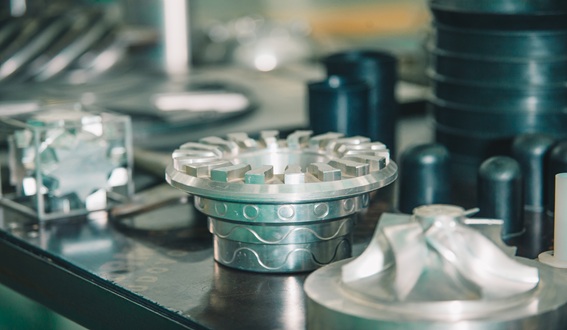
While some manufacturers have adopted modern forging and machining techniques, many still rely on traditional processes. The lack of advanced technologies like automation, AI, and precision engineering in smaller facilities affects the quality and scalability of production. - Infrastructure Constraints
Efficient logistics and infrastructure are vital for smooth operations. However, issues like inadequate transport networks, power shortages, and outdated manufacturing facilities pose significant hurdles. - Global Competition
Indian manufacturers face stiff competition from established international players, particularly from countries with advanced manufacturing ecosystems and government support. Competing on quality, cost, and delivery timelines can be challenging.
Opportunities in Indian Railway Parts Manufacturing
Amid the challenges, the sector offers significant opportunities driven by growing domestic demand, export potential, and technological advancements. Indian manufacturers are well-positioned to capitalize on these trends with strategic investments.
- Growing Domestic Demand
India’s ambitious plans to modernize its railways, including high-speed rail projects and electrification, present a massive opportunity for manufacturers. The need for high-quality components, such as wheels, axles, and suspension systems, is expected to rise exponentially. - Export Potential
Indian manufacturers have a competitive edge in terms of cost efficiency. By improving quality standards and meeting global certifications, they can expand their footprint in international markets, becoming prominent railway parts manufacturers in India catering to global demands. - Advancements in Technology
The adoption of cutting-edge technologies like 3D printing, robotics, and IoT can revolutionize railway parts manufacturing. These advancements allow for precision, reduced waste, and quicker production cycles, giving manufacturers a significant competitive advantage. - Government Support and Initiatives
The Indian government’s initiatives, such as Make in India, offer incentives for domestic manufacturing. Policies promoting local sourcing and investments in infrastructure development provide a conducive environment for growth. - Sustainability and Green Manufacturing
There is increasing emphasis on eco-friendly practices and sustainable manufacturing processes. Adopting green technologies not only helps manufacturers meet global environmental standards but also enhances their reputation in the international market.
Key Components Driving the Industry
Certain critical components, such as forged parts, braking systems, and transmission elements, play a pivotal role in the efficient functioning of railways. These components define the industry’s contribution to passenger safety and operational reliability.
- Forged Components
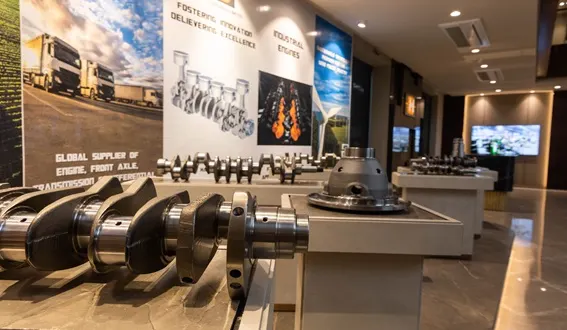
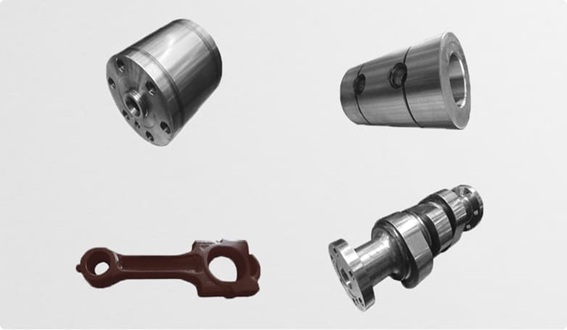
Forging ensures strength and durability, making it a preferred manufacturing process for critical railway components like wheels, axles, and couplers. India’s forgings products manufacturers are known for producing high-quality components that withstand extreme stress and environmental conditions. - Suspension and Braking Systems
With passenger safety as a priority, the demand for reliable suspension and braking systems has grown. Indian manufacturers are developing components with enhanced durability and performance to meet these requirements. - Transmission Parts
Precision-engineered transmission components, such as shafts and gears, ensure efficient power transfer in railway engines. These components are integral to the smooth functioning of trains, both in domestic and international markets.
How to Overcome Challenges
Overcoming the hurdles in railway parts manufacturing requires innovation, collaboration, and modernization. With the right strategies, manufacturers can enhance quality, efficiency, and competitiveness.
- Invest in R&D
Continuous investment in research and development is essential to innovate and improve products. R&D helps manufacturers design components that meet both domestic and international requirements, enhancing their marketability. - Adopt Modern Manufacturing Practices
Upgrading to advanced technologies, such as automation, precision forging, and AI-driven quality control, can help manufacturers stay competitive. These practices ensure consistent quality and efficient production. - Collaborate with Global Players
Partnerships and collaborations with international companies can provide Indian manufacturers with access to advanced technologies and best practices, enabling them to compete on a global scale. - Focus on Workforce Development
Training the workforce in modern techniques and quality assurance is crucial for maintaining high standards. Skilled labor ensures better product consistency and reduces operational errors. - Leverage Government Policies
By taking advantage of government initiatives and schemes, manufacturers can secure funding, upgrade infrastructure, and expand their operations.
The Road Ahead
The Indian railway parts manufacturing industry is at a pivotal juncture. By addressing challenges and tapping into emerging opportunities, manufacturers can position themselves as global leaders. The combination of innovation, sustainability, and quality will be key to driving the sector forward.
While the journey ahead is challenging, the potential rewards are immense. With a focus on excellence, Indian manufacturers can not only meet domestic demands but also establish themselves as reliable suppliers in the global railway ecosystem.
In conclusion
The future of railway parts manufacturing in India lies in balancing innovation and quality. By embracing advanced technologies and overcoming challenges, the industry can unlock significant growth potential. Whether through forging strong partnerships, investing in R&D, or adopting sustainable practices, Indian manufacturers have the opportunity to shape the future of the global railway industry.
As a dynamic and evolving sector, the railway parts manufacturing industry offers immense promise. Companies committed to quality and progress will lead the charge in ensuring safer, more efficient railway systems worldwide.