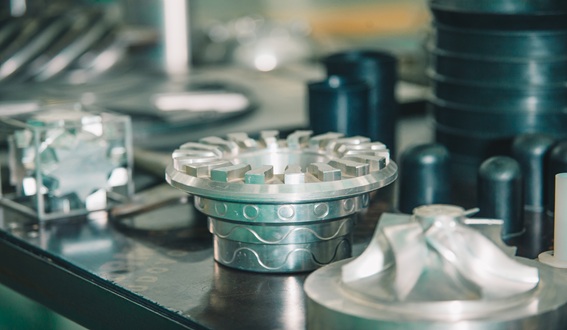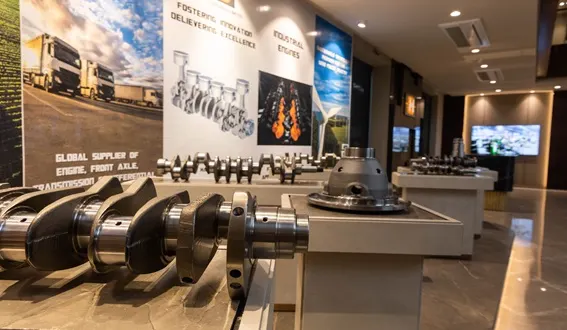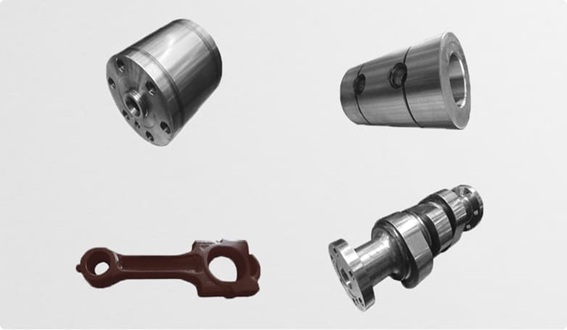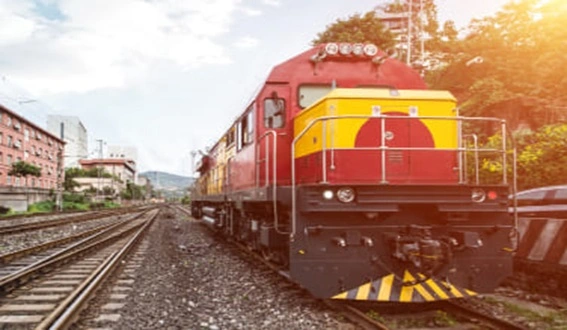
The forging industry in India is a crucial segment of the manufacturing sector, producing a wide range of products essential for various industries, including automotive, aerospace, agriculture, and construction. The forging process involves shaping metal using localized compressive forces, often achieved through hammering or pressing.
The Importance of Forging in Manufacturing
Forging is one of the oldest known metalworking processes, dating back to ancient civilizations. Despite its long history, the process remains vital in modern manufacturing due to its numerous benefits:
- Strength and Durability: Forged products are known for their superior mechanical properties, including higher strength and durability compared to cast or machined parts.
- Cost-Effectiveness: The forging process can be more economical for large production runs, reducing material waste and machining costs.
- Versatility: Forging is adaptable to a wide range of metals and alloys, making it suitable for various applications across different industries.
Key Processes in Forging
Understanding the primary forging processes can help appreciate the complexity and precision involved in creating forged products. These processes include:
- Open Die Forging: In this process, the metal is not confined entirely by the die, allowing for greater flexibility in the shape and size of the final product.
- Closed Die Forging: Also known as impression die forging, this process uses precisely shaped dies to produce complex geometries and high-volume parts.
- Roll Forging: This method involves passing the metal between two rotating rolls to reduce its thickness and increase its length, commonly used for parts like axles and leaf springs.
Advantages of Indian Forgings Products Manufacturers
Indian forgings products manufacturers have several competitive advantages that set them apart in the global market:
- Cost-Effective Production: Lower labor and production costs in India enable manufacturers to offer competitive pricing without compromising on quality.
- Skilled Workforce: India boasts a highly skilled workforce with expertise in various forging techniques, ensuring high-quality output.
- Strategic Location: India’s geographical location facilitates easy access to raw materials and proximity to major global markets.
- Government Support: Various government initiatives and policies, such as the ‘Make in India’ campaign, support the growth and development of the manufacturing sector, including the forging industry.
Innovations and Technological Advancements
The forging industry in India is continually evolving, with manufacturers investing in new technologies and innovations to improve efficiency and product quality. Some key advancements include:
- Automation and Robotics: Integrating automation and robotics in forging processes enhances precision, reduces human error, and increases production rates.
- Advanced Materials: Research and development in new materials and alloys allow manufacturers to produce stronger and more durable forged products.
- Sustainable Practices: Emphasis on sustainable manufacturing practices, such as recycling and energy-efficient processes, helps reduce the environmental impact of forging operations.
- Digitalization: The adoption of digital technologies, such as IoT and Industry 4.0, enables better monitoring and control of forging processes, leading to improved quality and efficiency.
Challenges Faced by the Forging Industry
Despite its numerous advantages, the forging industry in India faces several challenges that need to be addressed:
- Raw Material Prices: Fluctuations in raw material prices can impact production costs and profitability.
- Infrastructure Development: Inadequate infrastructure can hinder the efficient movement of goods and materials, affecting production timelines.
- Environmental Regulations: Stricter environmental regulations require manufacturers to invest in cleaner technologies and practices, which can increase costs.
- Skilled Labor Shortage: While India has a skilled workforce, there is a growing need for specialized training to keep up with technological advancements in the industry.
Future Prospects of the Forging Industry in India
The future of the forging industry in India looks promising, driven by several factors:
- Growing Automotive Sector: The increasing demand for automobiles, both domestically and internationally, will continue to drive the need for high-quality forged components.
- Infrastructure Development: Government initiatives to improve infrastructure will boost demand for forged products in construction and related industries.
- Export Opportunities: Expanding export markets present significant growth opportunities for Indian forgings product manufacturers.
- Technological Advancements: Continued investment in technology and innovation will enhance the competitiveness and efficiency of the forging industry.
In conclusion
India’s forging industry plays a crucial role in manufacturing, providing essential products for diverse applications. Leading the way, Happy Forging Ltd. (HFL) drives industry growth through innovation, quality, and cost-effective production. Despite challenges, the future of India’s forging sector looks promising, with ample opportunities for expansion and advancement. As the industry evolves, Happy Forging Ltd. will continue to be a key player, strengthening India’s industrial landscape with commitment and excellence.