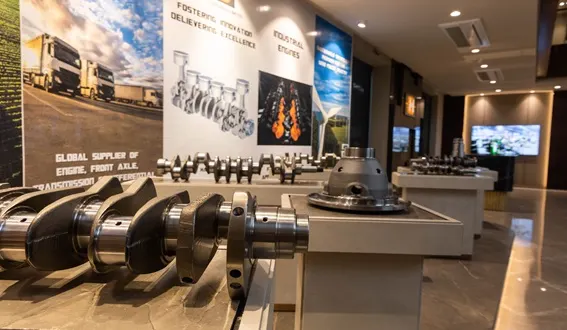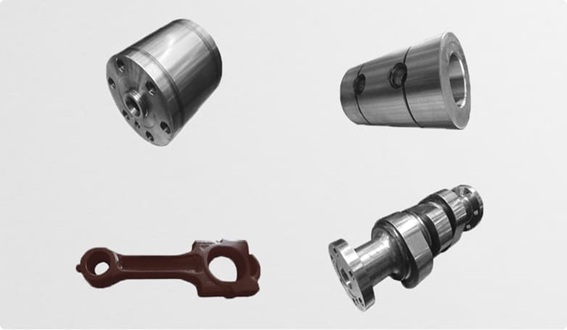
The automotive industry is undergoing a significant shift towards sustainability, with manufacturers focusing on reducing waste, conserving resources, and lowering emissions. Recycling and sustainable practices in auto parts manufacturing in India play a crucial role in minimizing environmental impact while maintaining efficiency and quality. By adopting advanced recycling methods and sustainable forging techniques, manufacturers contribute to a greener future without compromising on performance.
Why Sustainability Matters in Auto Parts Manufacturing
Sustainability in auto parts manufacturing is essential for reducing environmental impact while maintaining efficiency and quality. As the demand for automobiles grows, so does the responsibility to produce parts that conserve resources and minimize waste.
By adopting eco-friendly practices, manufacturers can create long-lasting, high-performance components while contributing to a cleaner, greener future.
Key Benefits of Sustainability in Auto Parts Manufacturing
- Environmental Preservation: Reduces pollution and conserves raw materials like steel and aluminum.
- Cost Efficiency: Lowers manufacturing costs by recycling materials and reducing waste.
- Energy Conservation: Optimizes energy use in production, reducing carbon emissions.
- Product Longevity: Enhances durability through high-quality recycled materials, leading to fewer replacements.
Recycling in Auto Parts Manufacturing
Recycling plays a crucial role in reducing the industry’s carbon footprint by reusing materials instead of extracting new resources. By integrating efficient recycling methods, manufacturers can maintain product quality while significantly reducing waste and energy consumption.
1. Metal Recycling and Reuse
Metals like steel and aluminum form a significant portion of auto components. Recycling these metals conserves raw materials and reduces energy consumption compared to new production. Advanced forging techniques allow recycled metal to maintain its strength and integrity, making it ideal for use in high-performance auto parts.
2. Scrap Reduction and Repurposing
Manufacturing processes generate substantial metal scraps. Instead of discarding them, forging companies in India implement repurposing strategies such as:
- Melting and reusing scrap metal for new components.
- Precision cutting to minimize excess waste.
- Optimized production planning to reduce raw material wastage.
3. Plastic Recycling in Auto Components
Plastics in dashboards, bumpers, and interior panels can be recycled to create new components. Advanced processing technologies help convert end-of-life plastics into usable raw materials, reducing landfill waste.
4. End-of-Life Vehicle (ELV) Recycling
Dismantling and reprocessing old vehicles allow manufacturers to recover usable materials like steel, aluminum, copper, and rubber. Proper ELV recycling ensures responsible disposal and material recovery, lowering the demand for virgin resources.
Sustainable Manufacturing Practices in Auto Parts Production
Sustainability in auto parts manufacturing extends beyond recycling. It involves adopting eco-friendly processes, reducing waste, and optimizing energy consumption to create high-quality components with minimal environmental impact. Here are some key sustainable practices:
1. Energy-Efficient Forging
Forging remains a core process in auto parts manufacturing, and sustainability-focused forging companies in India adopt:
- Energy-efficient furnaces to lower fuel consumption.
- Precision forging techniques to reduce waste.
- Use of renewable energy sources in manufacturing plants.
2. Eco-Friendly Coatings and Treatments
Protective coatings prevent corrosion and enhance durability, but traditional methods often involve hazardous chemicals. Sustainable alternatives include:
- Water-based coatings with lower toxicity.
- Powder coating techniques that minimize waste.
- Thermal spray coatings for enhanced longevity without harmful solvents.
3. Lightweight Materials for Fuel Efficiency
Lighter components contribute to better fuel efficiency and lower emissions. Manufacturers integrate:
- Aluminum alloys that provide strength with reduced weight.
- High-strength steel that maintains durability while minimizing bulk.
- Composite materials that enhance performance and sustainability.
Challenges in Implementing Sustainable Manufacturing
While sustainability offers significant benefits, challenges remain:
- High Initial Costs: Transitioning to eco-friendly materials and processes requires investment in technology and equipment.
- Supply Chain Adaptation: Partnering with suppliers committed to sustainability can be complex.
- Material Limitations: Some recycled materials may not offer the same performance as virgin materials, requiring advanced processing.
Despite these challenges, auto parts manufacturers in India continue to innovate, integrating green technologies to create a sustainable production cycle.
The Future of Sustainable Auto Parts Manufacturing
The automotive industry is evolving, with sustainability at the forefront of innovation. Future trends include:
- Greater Use of 3D Printing: Reducing waste by manufacturing only necessary parts.
- Increased Adoption of Circular Economy Models: Encouraging component reuse and remanufacturing.
- Development of Biodegradable Materials: Exploring alternatives to plastic and synthetic materials.
Leading the Way in Sustainable Auto Manufacturing
Companies like Happy Forgings Ltd. embrace sustainability by integrating advanced recycling and eco-friendly forging techniques. As a trusted forging company in India, we prioritize reducing waste, optimizing energy consumption, and developing high-quality recycled components that support both performance and environmental goals.
Sustainability is no longer an option—it’s a necessity. As the demand for greener solutions grows, auto parts manufacturers must continue innovating to build a cleaner, more efficient future. By adopting responsible manufacturing and recycling practices, the industry can ensure long-term success while reducing its environmental footprint.