Forging is one of the oldest methods in manufacturing, and it has evolved with technology to become a cornerstone of modern industries. In India, the forging industry has seen remarkable growth, thanks to advancements in techniques, equipment, and the availability of skilled labor. This article delves into the key aspects of forging services in India and highlights their role in enhancing manufacturing excellence.
Understanding the Forging Process
Forging is a manufacturing process that involves shaping metal using localized compressive forces. The process can be carried out at various temperatures depending on the material being used and the desired properties of the final product. There are several types of forging, including:
- Open Die Forging: Used for large, simple-shaped parts.
- Closed Die Forging: Ideal for more complex shapes, with closer tolerances.
- Cold Forging: Performed at or near room temperature, offering high precision.
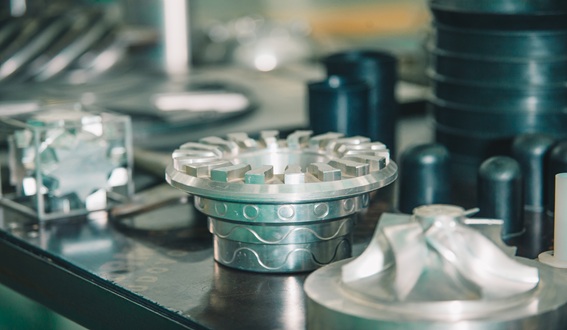
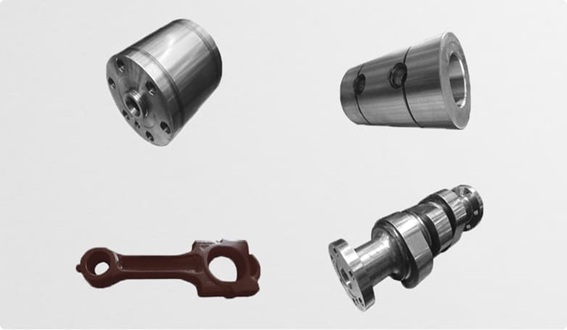
Forging delivers several advantages over other metalworking processes, such as casting or machining. These include better grain flow, improved mechanical properties, and stronger, more durable components. Forging companies in India offer a wide range of forged products to meet the growing demands of industries such as automotive, aerospace, agriculture, and Defence.
Role of Forging in Indian Manufacturing
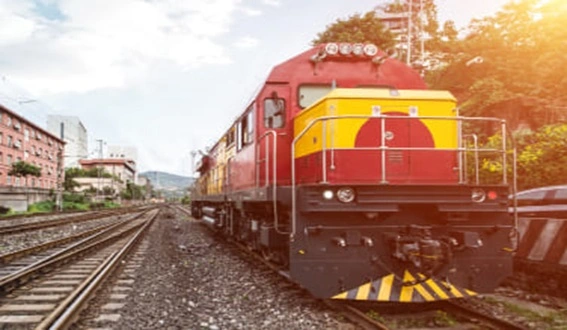
India is a leading player in the global forging market, with several companies offering high-quality forging services to various sectors. The forging company in India is integral to the country’s robust manufacturing ecosystem. The industry supplies critical components to key industries like automotive, Defence, railways, and construction equipment.
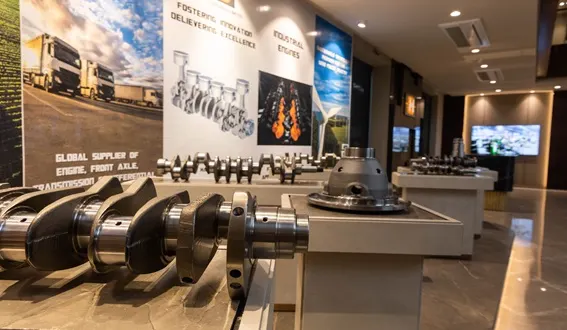
- Automotive Sector: Forging is used to manufacture parts like crankshafts, gears, and axles that require high strength and durability.
- Aerospace Sector: Precision forgings are essential for aircraft components that must withstand extreme conditions.
- Defence Industry: Defence applications require strong, reliable components, which forging can provide due to its ability to enhance mechanical properties.
India’s forging industry has become a global hub, with many forgings product manufacturers exporting to international markets.
Advantages of Forging Services
The forging process offers several advantages over other manufacturing methods:
a) Strength and Durability
Forging improves the mechanical properties of metals, creating stronger and more durable components. This is especially crucial for industries like aerospace and automotive, where safety and reliability are paramount.
b) Cost-Effectiveness
Due to reduced waste and the ability to produce parts with less material, forging is a cost-effective option for manufacturers. Moreover, the ability to produce large volumes of parts with uniform quality makes forging ideal for mass production.
c) Material Efficiency
Forging minimizes material waste. In processes like machining, the material is often removed to create the final shape, whereas forging shapes metal into the desired form with minimal loss.
d) Customization and Precision
Forging services in India offer highly customized solutions tailored to the needs of different industries. Forgings products manufacturers utilize advanced technology to ensure precision and meet the specific requirements of each client.
Types of Forging Services Offered in India
India’s forging companies provide a wide range of services to meet the needs of various industries:
a) Hot Forging
Hot forging involves heating metals above their recrystallization temperature to make them malleable. This process is ideal for creating large parts and is commonly used in automotive and heavy machinery industries.
b) Cold Forging
Cold forging, performed at or near room temperature, is used for parts that require high precision and minimal finishing. It is often utilized for smaller components such as fasteners, pins, and bolts.
c) Precision Forging
Precision forging delivers highly accurate components with minimal post-forging machining. This method is frequently used in aerospace and automotive industries where tight tolerances are critical.
d) Custom Forging
Custom forging services cater to specialized needs, creating bespoke parts for industries like Defence and aerospace. The ability to customize forging processes to specific client needs is a significant advantage that forging company in India offer.
Challenges Facing the Forging Industry in India
Despite its growth and success, the forging industry in India faces several challenges:
a) Rising Raw Material Costs
The cost of raw materials such as steel, aluminum, and other metals continues to rise, putting pressure on the profitability of forging companies.
b) Energy Costs
Forging is an energy-intensive process, and fluctuating energy prices challenge manufacturers. Companies must find ways to optimize energy consumption without compromising on quality.
c) Technological Advancements
While many forging companies in India have adopted modern technology, staying updated with the latest advancements is a constant challenge. As global competition intensifies, companies need to invest in R&D and upgrade their processes to maintain their edge.
d) Skilled Labor
Although India has a large workforce, the availability of skilled labor specific to forging is limited. Investing in training and development of the workforce is essential for the industry to sustain its growth.
The Future of Forging in India
The future of the forging industry in India looks promising, driven by the growing demand from key sectors and advancements in technology. Several factors are contributing to this positive outlook:
a) Innovation and Automation
Many forging companies are investing in automation to improve productivity and reduce costs. Innovations such as computer-controlled forging and robotic systems are expected to shape the future of the industry.
b) Sustainability
As environmental concerns grow, forging companies in India are exploring ways to reduce their carbon footprint. Implementing energy-efficient technologies and using sustainable raw materials are becoming more common.
c) Global Expansion
India’s forging industry is poised for further global expansion. Several forgings product manufacturers are already exporting to Europe, North America, and other regions. The ability to meet international quality standards while remaining cost-competitive gives Indian forging companies an advantage in the global market.
Selecting the Right Forging Partner
Choosing the right forging partner is crucial for businesses that rely on high-quality forged components. When selecting a forging company, businesses should consider:
- Experience and Expertise: Look for companies with a proven track record in delivering high-quality forgings across different industries.
- Technical Capabilities: Ensure the company has the necessary technology and equipment to meet your requirements.
- Certifications and Compliance: Choose companies that adhere to international standards such as ISO certifications to ensure quality and safety.
- Customization: A reliable forging company in India should offer customization options to meet your unique product specifications.
In conclusion
The forging industry in India plays a pivotal role in supporting the country’s manufacturing excellence. By offering high-quality, durable, and cost-effective solutions, forging products manufacturers have helped various sectors, from automotive to aerospace, achieve remarkable progress. The future of forging services in India looks bright, with advancements in technology and a focus on sustainability driving the industry forward.
Happy Forging Ltd. (HFL) is at the forefront of this dynamic industry, offering a wide range of forging services to meet the diverse needs of clients. With a commitment to quality, innovation, and customer satisfaction, HFL continues to be a trusted partner for businesses looking to enhance their manufacturing processes through forged components.