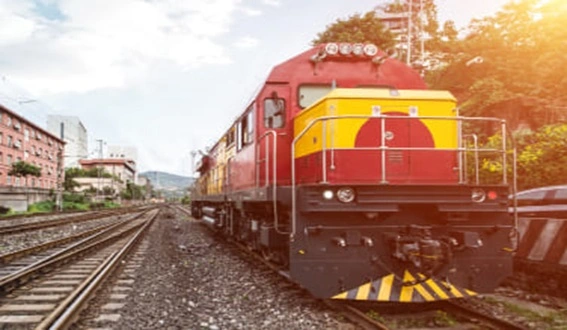
India’s railway industry, one of the most extensive rail networks in the world, plays a vital role in the nation’s infrastructure. Behind the smooth operation of this colossal system lies a robust network of suppliers and manufacturers, including leading companies specializing in railway components.
This sector has seen significant innovation and growth, fueled by technological advancements, manufacturing practices, and global demand. In this blog, we’ll explore the strides made in railway parts manufacturing in India and how companies, especially forging in India, contribute to the sector’s expansion.
The Evolution of Railway Parts Manufacturing in India
The railway parts manufacturing industry has evolved dramatically in recent years. With the government’s focus on modernizing and expanding rail infrastructure, manufacturers have increasingly turned to advanced manufacturing technologies and innovative processes. Adopting automation, precision forging, and high-quality materials has helped companies ensure that components meet domestic requirements and adhere to global standards.
Key players, including railway parts manufacturers in India, have invested in cutting-edge technologies, enabling them to produce complex and high-performance components that support both local rail systems and international exports. By delivering quality components that reduce downtime and enhance safety, the industry is raising the benchmark for reliability and efficiency in railway operations.
Key Railway Components in Demand
Railway parts manufacturing covers a broad spectrum of components essential for smooth rail operations. Some of the most in-demand parts include:
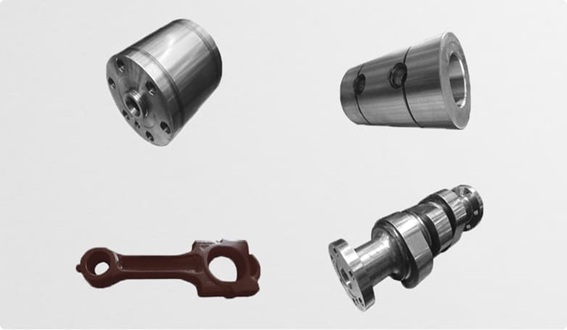
- Camshafts: Integral to engine functionality, camshafts regulate the timing of fuel and air intake, impacting engine efficiency and performance.
- Connecting Rods: These transfer power from pistons to the crankshaft, ensuring that rail vehicles operate with stability and efficiency.
- Piston Pins: These pins connect pistons to the connecting rods, bearing considerable loads while allowing controlled motion.
- Spacers and Bushings: Designed for shock absorption and reducing wear, these components help maintain the longevity and smooth function of rail systems.
Each component plays a crucial role in the overall performance of rail vehicles, and manufacturers are continually innovating to improve the resilience and functionality of these parts.
Role of Forging Companies in India
The growth of forging companies in India has had a substantial impact on the railway industry. These companies employ advanced forging techniques to produce components that withstand intense stress and wear, essential for the high-load and long-life demands of rail parts. Forging companies are essential partners in the railway parts supply chain due to their ability to deliver durable, precision-engineered products.
Indian forging companies, including Happy Forging Ltd. (HFL), specialize in creating high-precision, safety-critical parts that are vital for the railway industry. These companies have refined processes that allow for complex designs and customized specifications, making them invaluable for OEMs and other end-users in the rail sector.
Innovation Driving Growth in Railway Parts Manufacturing
Innovation is central to the growth of railway parts manufacturers in India. Key areas where innovation has led to breakthroughs include:
1. Precision Manufacturing
Precision in railway components ensures consistent performance and enhanced safety. Companies like HFL have invested in state-of-the-art machinery that produces high-accuracy parts, helping reduce mechanical failures and extending the life of components. This focus on precision is vital, especially for parts such as camshafts and piston pins that undergo high levels of stress.
2. Material Advancements
The choice of material impacts the longevity and resilience of railway parts. Forging companies in India now utilize advanced alloys and metal composites to create parts that resist wear, corrosion, and extreme temperatures. These materials are designed to lower maintenance costs and improve operational efficiency.
3. Sustainability in Manufacturing
Eco-friendly manufacturing processes are gaining traction. Many railway parts manufacturers are adopting energy-efficient methods, reducing waste, and integrating sustainable practices to decrease their carbon footprint. HFL, for instance, aligns with green manufacturing standards, ensuring that its processes support environmental sustainability.
4. Digital Integration and Smart Technologies
The integration of digital tools such as IoT and AI allows companies to monitor the manufacturing process in real time, improving product quality and production speed. By using predictive analytics, manufacturers can detect potential issues before they affect the supply chain, thus enhancing the reliability for railway systems.
HFL: A Leader in Forged Railway Parts
Located in Ludhiana, Punjab, Happy Forging Ltd. (HFL) has established itself as a prominent railway parts manufacturer in India. HFL specializes in crafting components that are not only critical to railway safety but also customized to meet unique operational demands. With over 40 years of expertise, HFL is the fourth-largest forging company in India, known for producing high-quality parts with precision and reliability.
HFL’s railway components, such as camshafts, connecting rods, piston pins, and spacers, are meticulously designed to optimize rail system performance. The company’s commitment to quality ensures that these components minimize downtime and maintenance costs, proving beneficial to railway operators both domestically and internationally.
Advanced Manufacturing Facilities
HFL’s operations span three advanced facilities where engineering, forging, and machining processes are vertically integrated to provide seamless production. This integration allows for full control over quality and efficiency, enabling HFL to offer reliable, high-performance products for railways and other industries.
Expertise Across Industries
In addition to railways, HFL serves industries such as automotive, oil & gas, and power generation. The company’s diverse capabilities allow it to adapt its expertise to meet the unique requirements of various sectors. HFL’s success has been recognized through numerous awards, including the Gold Award for Superlative Performance in Agility at the 2024 Ashok Leyland Supplier Summit and the AAM India Supplier Excellence Award 2023.
Benefits of Indian-Made Railway Parts
Choosing railway components from Indian manufacturers like HFL brings multiple advantages:
1. Cost Efficiency
Indian manufacturers offer a competitive advantage in pricing due to cost-effective labor and materials, allowing railway operators to invest in quality parts without compromising on budgets.
2. High Standards and Certifications
Indian forging companies adhere to rigorous quality standards and certifications, ensuring that their products meet both domestic and international requirements. This commitment to quality gives railway operators confidence in the reliability of Indian-made parts.
3. Customization and Flexibility
Many railway systems require parts tailored to specific configurations. Indian manufacturers like HFL provide bespoke solutions that can be customized according to design, material, and performance needs, offering enhanced flexibility to railway clients.
4. Reduced Lead Times
Manufacturing railway parts locally minimizes shipping times and supply chain delays. Indian manufacturers can respond to demand swiftly, which is particularly advantageous for urgent repairs and replacements in railway systems.
Future Outlook for Railway Parts Manufacturing in India
The future of railway parts manufacturing in India is bright. With ongoing investments in infrastructure and technology, India’s railway industry is poised for substantial growth. Initiatives to modernize railways and expand routes will create a higher demand for quality railway components, driving growth for forging companies in India and other suppliers.
Moreover, with the Indian government’s support and focus on self-reliance in manufacturing, companies like HFL will continue to play a crucial role in meeting both domestic and international needs. This push for local production aligns with India’s vision of becoming a global manufacturing hub, especially in sectors like railways where quality and reliability are paramount.
In conclusion
As India’s railway sector continues to evolve, the role of railway parts manufacturers in India becomes increasingly significant. Companies like Happy Forging Ltd. in Ludhiana, Punjab, exemplify the dedication to quality and innovation that defines the Indian manufacturing landscape. With a comprehensive range of high-precision railway components, HFL has set a benchmark for safety, reliability, and efficiency in rail operations.
By choosing HFL’s high-quality, customized railway parts, operators gain the advantage of robust, expertly crafted components that enhance safety and reduce long-term maintenance costs. Backed by four decades of expertise, HFL is poised to support the railway industry’s growth through cutting-edge solutions that cater to both Indian and international markets.