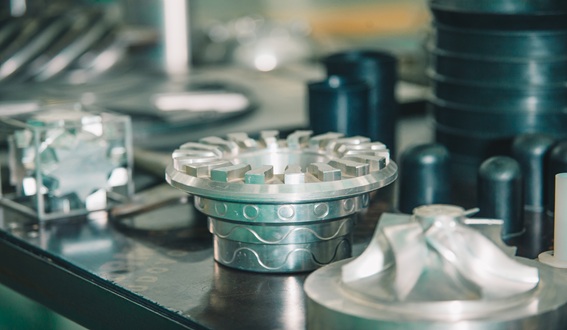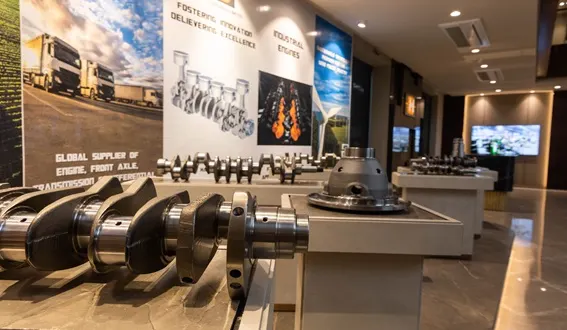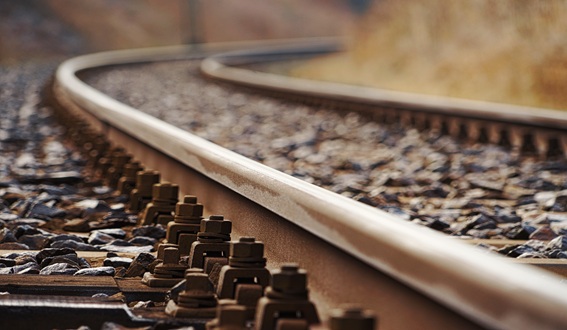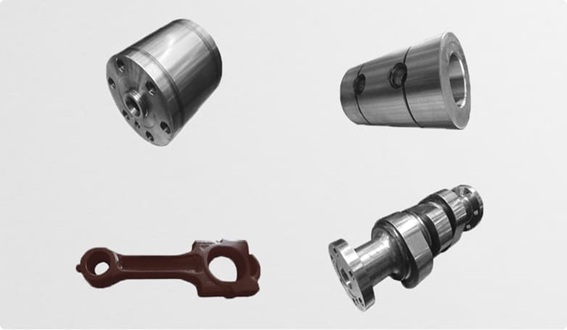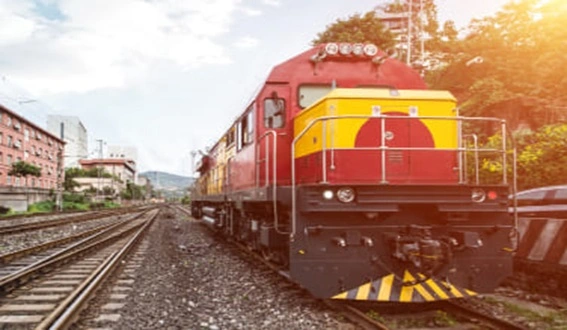
The railway parts manufacturing industry in India plays a crucial role in supporting the country’s vast railway network. India has one of the largest rail networks in the world, making the demand for railway parts consistently high. This industry includes producing components such as wheels, axles, bearings, and other essential parts needed to keep trains running smoothly and safely.
The railway sector in India is driven by both the Indian Railways and various private players, ensuring a steady flow of orders for manufacturers. Companies in this sector range from small-scale industries to large, established firms, all contributing to the robust supply chain necessary for the operation and maintenance of the railway network.
Importance of Railway Parts Manufacturing
Railway parts manufacturing is essential for several reasons:
- Safety: High-quality parts ensure the safety of trains, passengers, and goods. Faulty components can lead to accidents, causing loss of life and property.
- Efficiency: Well-manufactured parts help in the smooth operation of trains, reducing downtime and delays. This efficiency is critical for both passenger and freight services.
- Economic Impact: The railway industry significantly contributes to the Indian economy. The manufacturing of railway parts employs thousands and supports numerous ancillary industries.
- Innovation and Growth: Continuous innovation in railway parts manufacturing leads to improved performance and new technologies, contributing to the overall growth of the railways.
However, the industry faces challenges such as fluctuating raw material prices and the need for constant technological upgrades to meet global standards.
Manufacturing Capabilities and Technologies
India’s railway parts manufacturing sector boasts a wide range of capabilities and uses advanced technologies to meet the needs of modern railways:
- Precision Engineering: Companies use state-of-the-art machinery to produce components with high precision. This ensures that parts meet strict quality standards.
- Automation: Many manufacturers employ automated processes to enhance production speed and reduce human error. This includes the use of robotics and computer-controlled machinery.
- Material Science: Advanced materials like high-strength alloys and composites are used to manufacture durable and lightweight parts, improving the performance and lifespan of railway components.
- Quality Control: Rigorous quality control measures, including non-destructive testing and computerized inspection systems, ensure that only the best parts reach the market.
Despite these advancements, some manufacturers struggle with the high cost of technology adoption and maintaining skilled labor.
Market Trends and Growth Opportunities
The railway parts manufacturing industry in India is evolving with several key trends and opportunities:
- Government Initiatives: The Indian government has launched various initiatives, such as “Make in India,” to boost local manufacturing. This provides significant opportunities for railway parts manufacturers to expand their operations.
- Global Market: Indian manufacturers are increasingly exporting railway parts to international markets, taking advantage of competitive pricing and quality.
- Technological Advancements: The adoption of new technologies like 3D printing and IoT (Internet of Things) is creating new opportunities for innovation and efficiency in manufacturing processes.
- Sustainability: There is a growing focus on sustainable manufacturing practices, with companies investing in eco-friendly materials and processes.
However, the industry must navigate challenges such as stiff global competition and the need for continuous investment in research and development to stay ahead
Challenges Facing the Industry
Technological Advancements
Staying abreast of technological advancements is crucial for forgings companies in India to maintain competitiveness. Investments in research and development are essential to meet evolving safety and efficiency standards in railway operations.
Infrastructure and Logistics
Logistical challenges can impact the timely delivery of railway components. Improved infrastructure and streamlined logistics processes are necessary to support the industry’s growth aspirations.
Government Initiatives and Policies
Make in India Initiative
The Indian government’s Make in India initiative has provided a significant impetus to the manufacturing sector, including railway parts manufacturing. Incentives and policies aimed at promoting domestic production have encouraged investments in modernizing manufacturing facilities and adopting sustainable practices.
Regulatory Framework
Adherence to stringent regulatory standards is paramount in the railway industry. Manufacturers must comply with safety and quality regulations set by authorities to ensure the reliability and durability of railway components.
Future Outlook
Emerging Technologies
The adoption of digital technologies such as IoT (Internet of Things) and AI (Artificial Intelligence) is poised to revolutionize the railway parts manufacturing landscape. Predictive maintenance and real-time monitoring solutions will enhance operational efficiencies and reduce downtime.
Sustainable Practices
There is a growing emphasis on sustainability in manufacturing processes. Companies are increasingly adopting eco-friendly practices and materials to minimize their environmental footprint while meeting the demands of a greener future.
In conclusion
In conclusion, the railway parts manufacturer in India industry is poised for robust growth driven by technological advancements, export opportunities, and government support. Companies like Bharat Forge Limited, Ramkrishna Forgings Limited, and Happy Forging continue to innovate and excel in producing high-quality components that support the safe and efficient functioning of railway networks globally.