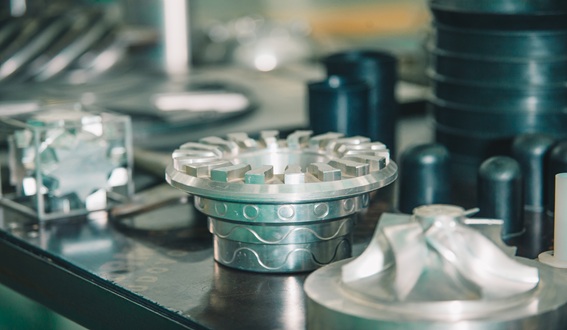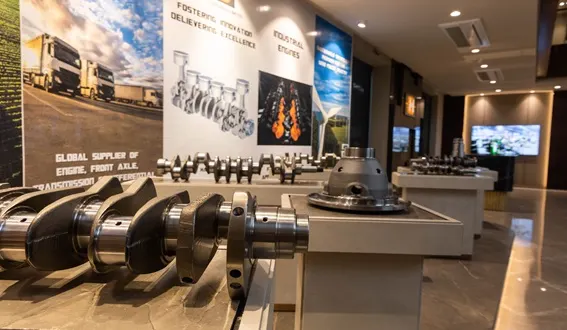
Machined parts form the backbone of modern industries, providing the precision and durability required for complex machinery and processes. Whether it’s automotive, aerospace, energy, or manufacturing, the use of expertly crafted machined parts ensures operational efficiency, safety, and cost-effectiveness. This blog explores the significance of machined parts, their manufacturing processes, and how forging companies contribute to the success of various industries. Specifically, we will focus on the contributions of forging companies in India, with a particular mention of Happy Forging Ltd. (HFL) based in Ludhiana, Punjab.
What Are Machined Parts?
Machined parts are components manufactured with precision from raw materials, typically metals or alloys. These parts undergo machining processes such as cutting, grinding, milling, drilling, or turning, allowing them to fit seamlessly into machinery or industrial systems. What makes machined parts so vital is their role in ensuring that mechanical systems run smoothly, without wear or failure.
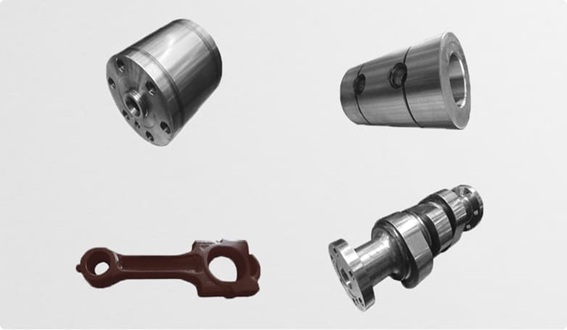
A few examples of commonly machined parts include gears, valves, shafts, axles, and housings. The precision with which these parts are manufactured directly impacts the performance and longevity of industrial machinery. Therefore, partnering with a skilled forging company in India is essential to producing these high-quality components.
Types of Machined Parts
Industries require a vast array of machined parts, each serving a unique function. Below are some major types of machined components found in various sectors:
Axles
Axles are crucial parts of automotive and industrial machinery. They bear weight and transmit torque, ensuring the smooth operation of vehicles and industrial machines. Companies specializing in axle manufacturing, such as HFL in Ludhiana, focus on high-quality forging to meet the rigorous demands of heavy industries.
Gears
Gears are indispensable for transferring mechanical energy between different parts of a machine. Precision in the design and machining of gears guarantees their effective performance in everything from bicycles to large industrial machines.
Bearings
Bearings reduce friction between moving parts, making them vital in industries that depend on rotational or sliding motion. Precision machining is essential in crafting bearings to ensure their longevity and efficiency.
The Role of Forging in Machined Parts
Forging is a manufacturing process where metal is heated and shaped using compressive forces. This method is ideal for producing strong, durable components that can withstand high stress and fatigue, making it perfect for manufacturing machined parts. Forging companies in India, like HFL, have perfected the craft of producing forged components that form the foundation for many machined parts.
Forged materials are generally stronger than cast or machined equivalents. Forging refines the grain structure of the metal, improving its mechanical properties, and reducing the likelihood of fractures or other failures. This makes forging a critical step in creating high-performance parts used in heavy industries such as automotive, aerospace, and construction.
Benefits of Machined Parts in Industrial Applications
The importance of high-quality machined parts cannot be overstated, particularly in sectors where accuracy, strength, and reliability are essential. Below are some key benefits of using machined parts in industrial applications:
Precision
Machined parts are designed to fit exact specifications, ensuring that all components in a machine function seamlessly. Precision reduces the likelihood of misalignment, friction, or excessive wear, improving the performance and lifespan of industrial equipment.
Durability
Because they are crafted from durable materials like steel, aluminum, or alloys, machined parts are built to withstand harsh working conditions. This makes them ideal for heavy industries, where parts are exposed to high pressure, temperature, or corrosive environments.
Cost-Effectiveness
High-quality machined parts can lower maintenance costs by reducing downtime due to part failure or wear. Industries can rely on these components for long-lasting performance, minimizing the need for frequent repairs or replacements.
Customization
Machined parts can be customized to meet the specific requirements of a project. Whether it’s a unique design or an alteration in materials, machining allows manufacturers to tailor parts precisely to their operational needs.
The Importance of Partnering with a Forging Company in India
Choosing the right supplier is crucial for any business dependent on machined parts. Partnering with a forging company in India ensures access to high-quality, locally produced components that meet international standards.
Cost Efficiency
Indian forging companies often provide competitive pricing without sacrificing quality. This is particularly advantageous for industries that need large quantities of machined parts but want to keep costs manageable.
Expertise and Innovation
Many forging companies in India have years of experience and have adopted the latest technologies in precision forging and machining. This expertise helps them deliver reliable parts that match the evolving demands of global industries.
Proximity and Convenience
For companies operating in India or neighboring countries, sourcing machined parts from a domestic forging company in India like HFL in Ludhiana reduces logistical challenges and shipping times, improving overall supply chain efficiency.
The Machining Process: How It Works
The process of creating machined parts involves several steps to ensure each component meets the required specifications. Here’s a breakdown of the process:
Material Selection
Choosing the right raw material is the first step in manufacturing a machined part. Metals like steel, aluminum, or titanium are common, depending on the application’s needs.
Forging
For applications that require enhanced strength and durability, forging is the preferred method of shaping the metal. This ensures that the metal’s internal grain structure is aligned for maximum strength.
Machining
The forged blank is then machined to its final dimensions. This involves processes like cutting, milling, turning, and grinding to achieve the precise shape and size required for the part.
Finishing
After machining, parts often undergo finishing processes like heat treatment, coating, or polishing to enhance their performance and longevity.
Quality Control
Before any part is delivered, it undergoes rigorous quality testing to ensure it meets all industry standards and the specific needs of the client.
Machined Parts in Key Industries
Several industries benefit from the high-quality machined parts produced by forging companies. Let’s look at how these components impact some key sectors:
Automotive Industry
The automotive sector relies heavily on machined parts for engines, transmissions, and braking systems. Precision and durability are essential in automotive parts, as even small imperfections can lead to failures. Companies like HFL contribute significantly by producing axles and other automotive components that meet industry standards.
Aerospace Industry
Machined parts play a crucial role in aircraft manufacturing. From engine components to landing gear, precision and strength are paramount in aerospace applications. Forged parts ensure reliability in extreme conditions, making them ideal for aerospace needs.
Energy Sector
Power plants and energy companies depend on machined parts for turbines, generators, and pipelines. The strength and precision of these components ensure efficient energy production and transmission.
In conclusion
Machined parts are the building blocks of industrial excellence, ensuring that machinery across sectors operates at peak performance. Whether it’s axles for the automotive industry or precision gears for aerospace, high-quality machined parts are essential for success.
When sourcing these parts, partnering with a forging company in India like Happy Forging Ltd. (HFL) in Ludhiana, Punjab, guarantees access to expertly crafted, durable components that meet the highest standards. By blending cutting-edge technology with years of industry expertise, HFL is a key player in the North Indian manufacturing landscape, contributing significantly to the region’s industrial growth.