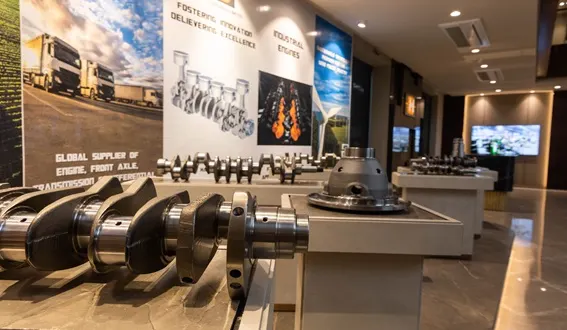
The manufacturing industry in India has undergone significant transformation in recent years, thanks to the advancements in technology and innovations brought by leading players in the sector. Among these, the role of a forging company in India has been crucial in redefining manufacturing standards and capabilities. This blog explores the revolution brought about by these companies, with a special focus on Happy Forging Ltd. (HFL), a prominent name in the field.
Understanding Forging in Manufacturing
What is Forging?
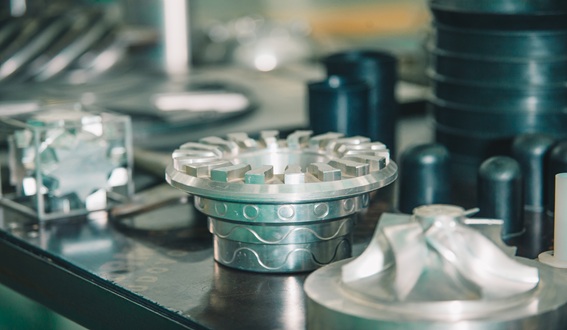
Forging is a manufacturing process involving the shaping of metal using localized compressive forces. The process enhances the strength and durability of the metal, making it ideal for various industrial applications. Forging can be done using different methods such as open-die, closed-die, and roll forging, each offering unique benefits depending on the requirements.
The Importance of Forging in Manufacturing
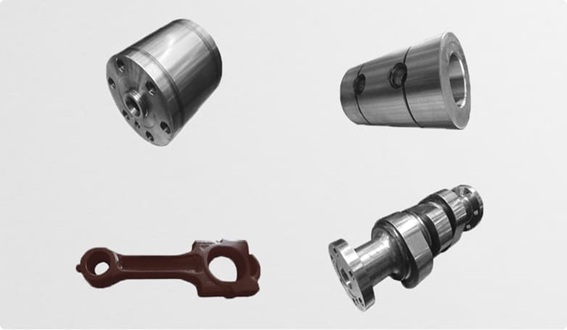
The forging process is essential for producing high-quality, durable components that are used in various industries, including automotive, aerospace, and construction. By improving the mechanical properties of metals, forging ensures that components can withstand extreme conditions and stresses.
Key Benefits of Forging
1. Enhanced Strength and Durability: Forged components are known for their superior strength compared to cast or machined parts. This is due to the refined grain structure achieved through the forging process.
2. Improved Reliability: Forging reduces the likelihood of defects and ensures that the components perform reliably under heavy loads and extreme conditions.
3. Cost-Effectiveness: While the initial investment in forging equipment can be high, the long-term benefits, including reduced maintenance and replacement costs, make it a cost-effective choice.
4. Customization: Forging allows for customization in terms of shape, size, and material properties, making it versatile for various applications.
Innovations in Forging Technology
Advancements in Equipment and Techniques
The forging industry in India has seen significant advancements in equipment and techniques. Modern forging presses, automated systems, and advanced heat treatment processes have revolutionized the way forging is performed. These innovations lead to improved efficiency, precision, and product quality.
Use of Computer-Aided Design (CAD)
The integration of CAD software in the forging process allows for better design and simulation of forged components. This technology enables manufacturers to optimize designs, reduce material wastage, and improve overall product performance.
Sustainable Practices
With increasing environmental concerns, many forgings companies in India are adopting sustainable practices. This includes the use of energy-efficient equipment, recycling of materials, and reducing the carbon footprint of the manufacturing process.
Challenges Facing the Forging Industry
Raw Material Costs
The cost of raw materials is a significant challenge for the forging industry. Fluctuations in metal prices can impact production costs and profitability. Companies are focusing on strategic sourcing and efficient use of materials to mitigate these challenges.
Skilled Labor Shortage
The forging industry requires a skilled workforce capable of operating advanced machinery and ensuring quality control. The shortage of skilled labor is a concern, and companies are investing in training programs and technology to address this issue.
Competition and Market Dynamics
The forging industry in India is highly competitive, with both domestic and international players vying for market share. Companies must continuously innovate and improve their offerings to stay ahead in this dynamic market.
Future Trends in the Forging Industry
Growth in Automotive Sector
The automotive industry is a major driver of growth for the forging sector. With the increasing demand for high-performance and lightweight components, there is a growing need for advanced forging technologies.
Expansion into New Markets
Indian foreign companies are expanding their reach into new markets, including emerging economies and high-tech sectors. This global expansion presents opportunities for growth and diversification.
Focus on Research and Development
Continuous investment in research and development is crucial for advancing forging technologies. Companies are focusing on developing new materials, improving processes, and enhancing product performance.
In conclusion
The role of a forging company in India is pivotal in shaping the future of manufacturing. Companies like Happy Forging Ltd. (HFL) are at the forefront of this revolution, driving innovation and setting new standards in the industry. As the forging sector continues to evolve, it will play a crucial role in meeting the demands of various industries and contributing to India’s manufacturing prowess. Their commitment to quality and advancement underscores the transformative impact of forgings companies in India on the global manufacturing stage.