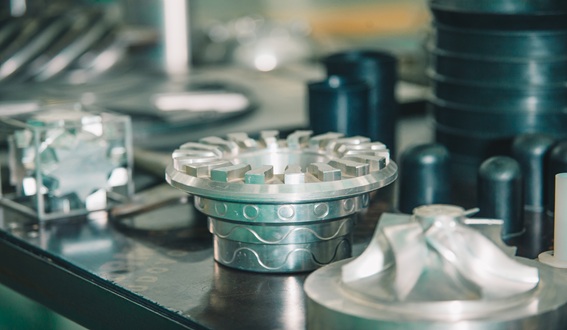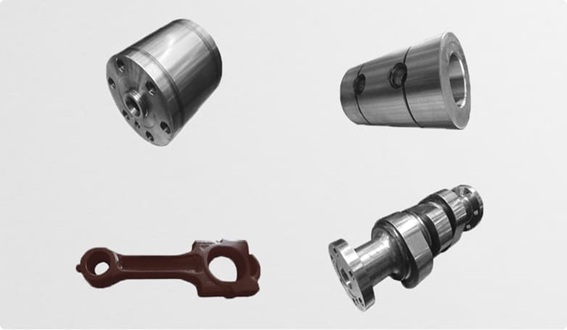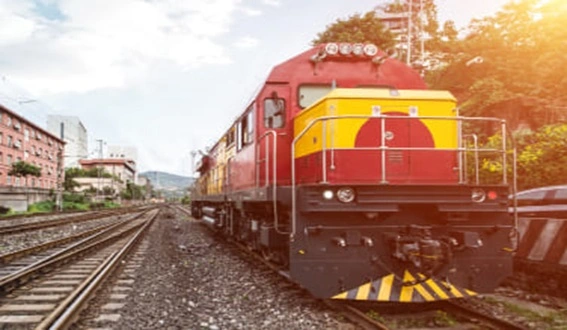
Forging plays a crucial role in manufacturing high-performance components for heavy machinery. Industries such as construction, mining, agriculture, and transportation rely on forged parts due to their superior strength, durability, and resistance to wear and tear. As a leading forging company in India, Happy Forging Ltd. understands the significance of forged components in ensuring the reliability and efficiency of heavy-duty equipment.
This blog explores the various applications of forged components in heavy machinery and highlights their advantages over other manufacturing methods.
Why Forged Components Are Essential for Heavy Machinery
Heavy machinery operates under extreme conditions, handling high loads, shocks, and harsh environments. Forged components offer:
- Exceptional Strength – Forging aligns the grain structure of metals, enhancing their mechanical properties.
- Superior Durability – Forged parts withstand extreme stress, reducing the risk of failure.
- Resistance to Impact and Fatigue – Heavy machinery experiences continuous pressure, and forged parts ensure long-term performance.
- Precision and Customization – Advanced forging techniques allow manufacturers to produce precise and application-specific components.
Applications of Forged Components in Heavy Machinery
Forged components play a crucial role in the durability, strength, and efficiency of heavy machinery used across industries such as construction, mining, agriculture, and transportation. Their ability to withstand extreme conditions makes them indispensable for critical applications.
1. Construction Equipment
The construction industry depends on durable and robust machinery to handle intense workloads. Forged components enhance the strength and performance of essential construction equipment such as:
- Excavators and Loaders – Forged pins, bushings, and arms provide structural integrity to withstand heavy loads.
- Bulldozers – Track links, gears, and shafts endure extreme pressure and ensure smooth operation.
- Cranes – Forged hooks, lifting arms, and structural components improve safety and load-handling capacity.
2. Mining and Earthmoving Equipment
Mining operations demand equipment that can perform in extreme conditions, including high pressure, abrasive materials, and rugged terrains. Forged parts ensure durability in:
- Drilling Rigs – Forged drill bits and shafts withstand intense friction and heat.
- Dump Trucks – Axles, suspension arms, and differential housings support massive loads and rough terrains.
- Conveyor Systems – Forged rollers and chains provide reliable material handling in mines.
3. Agricultural Machinery
Agriculture relies on heavy machinery for large-scale farming operations. Forged components ensure longevity and reliability in:
- Tractors – Forged crankshafts, connecting rods, and gears improve efficiency and engine performance.
- Harvesters and Plows – Forged blades and shafts offer resistance to wear and tear during extensive fieldwork.
- Irrigation Systems – Forged valve components enhance durability in water distribution systems.
4. Rail and Transportation Equipment
Forged components play a significant role in railways and heavy transport vehicles, ensuring safety and efficiency. Key applications include:
- Locomotives – Forged axles, wheel hubs, and couplings enhance performance and load-bearing capacity.
- Freight Cars and Wagons – Forged suspension components and braking systems improve stability.
- Commercial Trucks – Steering knuckles, engine components, and transmission parts provide structural integrity.
5. Oil and Gas Equipment
The oil and gas industry requires equipment that can endure high-pressure environments and corrosive conditions. Forged components play a key role in:
- Drill Pipes and Casings – Understand extreme drilling operations.
- Valves and Flanges – Maintain structural integrity in high-pressure pipelines.
- Pumps and Compressors – Forged shafts and housings ensure efficient operations.
Advantages of Using Forged Components in Heavy Machinery
Forging enhances the mechanical properties of metals, resulting in components that offer superior load-bearing capacity, wear resistance, and longevity. These advantages contribute to improved machine performance, reduced maintenance, and long-term cost savings.
1. Higher Load-Bearing Capacity
Heavy machinery operates under high stress, often handling extreme loads. Forged components have a refined grain structure, providing enhanced strength and load resistance. This makes them ideal for crucial parts like axles, gears, and suspension systems that endure continuous pressure without failure.
2. Improved Wear Resistance
Industries such as mining, agriculture, and construction expose machinery to abrasive materials, moisture, and chemicals. Forged components exhibit superior hardness and resistance to wear and corrosion, ensuring longer service life and reducing the need for frequent replacements.
3. Greater Reliability and Safety
The forging process eliminates internal defects and enhances the overall integrity of the metal, reducing the chances of mechanical failures. This contributes to safer operations, especially in industries where equipment failure can lead to significant risks, such as rail transport and oil drilling.
4. Cost-Effectiveness in the Long Run
Although forged parts may have a higher initial cost than cast or machined components, their durability and reliability reduce maintenance and replacement expenses. This results in long-term savings and improved operational efficiency.
5. Sustainability and Environmental Benefits
Forging is a more sustainable manufacturing process compared to casting or machining, as it minimizes material waste and energy consumption. Additionally, forged components have a longer lifespan, reducing the environmental impact associated with frequent part replacements.
Why Choose a Reliable Forging Partner?
Selecting a trusted forging company in India is crucial for ensuring high-quality components for heavy machinery. Manufacturers with expertise in forging can provide:
- Precision-engineered products that meet industry standards.
- Custom solutions tailored to specific applications.
- Strict quality control to ensure durability and performance.
In conclusion
Forged components are indispensable in heavy machinery across industries like construction, mining, agriculture, and transportation. Their strength, durability, and resistance to extreme conditions make them the preferred choice for critical applications.
As one of the leading forging product manufacturers, Happy Forging Ltd. delivers high-quality, precision-engineered components to meet the demanding needs of heavy machinery. Investing in forged components ensures long-term reliability, efficiency, and safety in industrial operations.