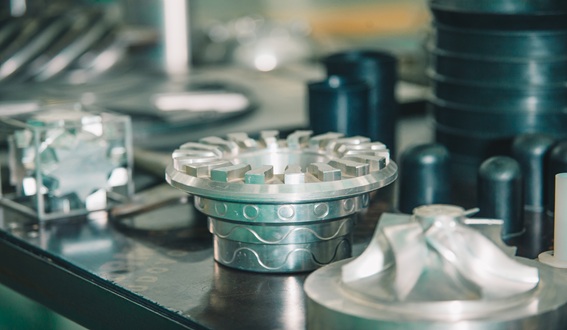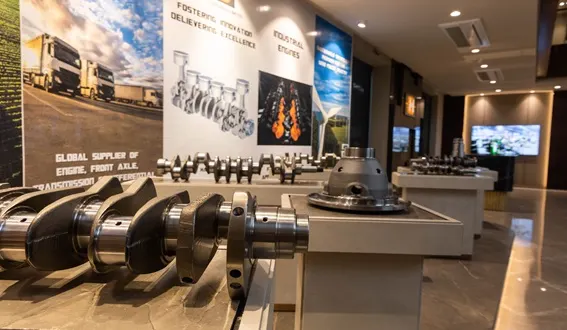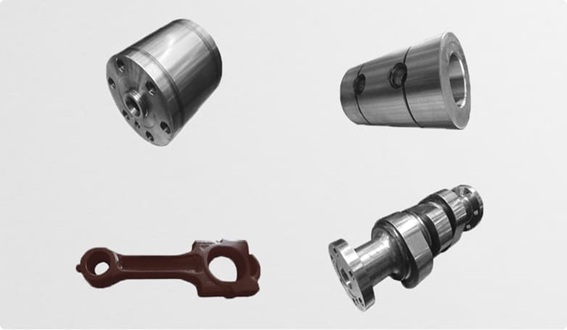
Forging is crucial in manufacturing industrial components that demand superior strength, durability, and precision. Industries such as automotive, aerospace, construction, and heavy machinery rely on forged products due to their ability to withstand extreme conditions. Unlike casting or machining, forging enhances the structural integrity of the metal, making it the preferred choice for critical applications.
As one of the oldest metalworking processes, forging continues to evolve with modern advancements, offering improved efficiency and performance. Leading forging products manufacturers supply high-quality forged components that meet stringent industry standards, ensuring reliability in various applications.
Why Industries Prefer Forged Products
Forged components offer several advantages over other manufacturing methods, making them indispensable in industrial applications. Some key benefits include:
1. Superior Strength and Durability
Forging refines the metal’s grain structure, aligning it along the component’s shape. This enhances the strength and toughness of the final product, making it resistant to impact, fatigue, and wear. Industries requiring high-performance components, such as automotive and aerospace, benefit significantly from forged parts.
2. Enhanced Structural Integrity
Unlike cast or welded parts, forged components do not have internal voids, porosity, or shrinkage defects. This eliminates weak points, ensuring greater reliability in applications where safety is paramount, such as railway and heavy machinery.
3. Greater Resistance to High Temperatures and Pressure
Forged parts retain their mechanical properties even under extreme heat and pressure. This makes them ideal for engine components, valves, and fittings used in industries like oil and gas, power generation, and construction.
4. Improved Fatigue Resistance
Industries that operate in high-stress environments, such as mining and transportation, require components that can withstand repeated load cycles. Forged products provide excellent fatigue resistance, reducing the risk of failure over time.
5. Better Material Utilization and Cost Efficiency
Forging minimizes material wastage compared to other manufacturing methods. The near-net shape of forged components reduces the need for excessive machining, lowering production costs while maintaining high-quality standards.
6. High Load-Bearing Capacity
Applications such as cranes, bridges, and heavy-duty machinery require components capable of supporting enormous loads. Forged products deliver exceptional load-bearing capacity due to their dense and defect-free structure.
Industries That Benefit from Forged Products
1. Automotive Industry
Automotive manufacturers rely on forged components for engine parts, gears, axles, and transmission shafts. As a leading auto parts manufacturer in India, companies produce high-strength forged parts that enhance vehicle performance, efficiency, and safety.
2. Aerospace Industry
Forged parts are ideal for aircraft components that must withstand extreme stress. Landing gear, engine mounts, and turbine components benefit from forgings’ high strength-to-weight ratio.
3. Oil and Gas Sector
Pipelines, drilling equipment, and pressure vessels require robust components that can handle harsh environments. Forged valves, fittings, and flanges offer the durability needed for these demanding applications.
4. Railway Industry
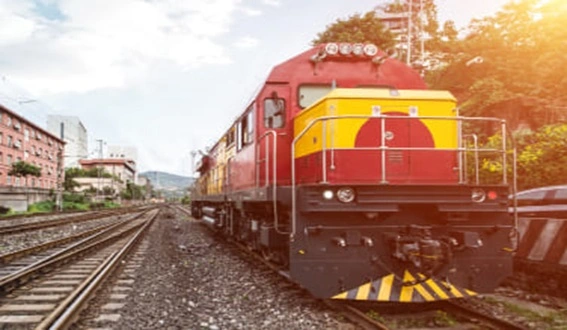
Railway axles, wheels, and couplings are manufactured using forging techniques to ensure long-lasting performance and safety. The leading forging company in India produces railway components that meet global industry standards.
5. Heavy Machinery and Construction
Earthmoving equipment, cranes, and structural components depend on forged products for their reliability under heavy loads and harsh operating conditions. The high impact resistance of forgings makes them essential in these industries.
Forging vs. Other Manufacturing Methods
Feature | Forging | Casting | Machining |
Strength | High | Moderate | Moderate |
Structural Integrity | Excellent | Poor (voids/defects) | Good |
Load-Bearing Capacity | High | Moderate | Moderate |
Fatigue Resistance | High | Low | Moderate |
Material Wastage | Low | High | High |
Cost Efficiency | High | Moderate | Low |
Forging consistently outperforms other processes in terms of strength, durability, and reliability, making it the preferred choice for critical applications.
Future of Forging in Industrial Applications
With advancements in automation and precision engineering, forging technology continues to improve. Innovations such as closed-die forging and CNC-controlled processes enhance efficiency and reduce production costs. Sustainability efforts also play a role, with forging companies adopting eco-friendly practices to reduce energy consumption and material waste.
As a trusted forging company in India, Happy Forging Ltd. (HFL) remains committed to providing high-quality forged components for various industries. We integrate cutting-edge technologies and rigorous quality control measures to ensure our products meet the highest performance standards.
In conclusion
Forged products play a crucial role in industrial applications, offering unmatched strength, durability, and reliability. Industries such as automotive, aerospace, oil and gas, and construction rely on forged components to enhance safety and efficiency. With continuous advancements in forging technology, manufacturers can produce high-performance parts that meet the evolving demands of modern industries.
For businesses seeking high-quality forged components, partnering with reputable forging products manufacturers ensures access to durable and cost-effective solutions tailored to specific industrial needs.