Steel forging is a manufacturing process that has been an essential part of various industries, offering durability, precision, and strength to components. From automotive parts to critical oil and gas equipment, forged steel components play a pivotal role in ensuring reliable performance.
This blog dives deep into the steel forging process, tracing its journey from raw materials to finished components, while also highlighting key players like Happy Forging Ltd. (HFL) in Ludhiana, Punjab, and other prominent names in the industry.
What is Steel Forging?
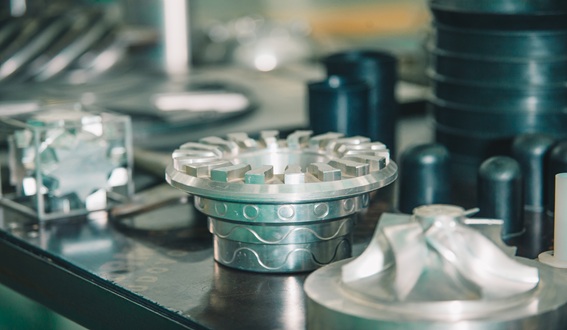
Steel forging is a manufacturing method where steel is heated to a malleable state and shaped under high pressure into the desired forms. This process enhances the material’s strength, making it suitable for heavy-duty applications. Forged components are widely preferred for their superior mechanical properties and high resistance to fatigue and wear.
The Steel Forging Process: A Step-by-Step Guide
There are various steps involved in the steel forging process. Here, we have listed down the entire step for a better understanding. Have a look at the pointers below-
Selection of Raw Materials
The journey begins with the selection of high-quality steel. The type of steel chosen depends on the intended application of the forged component. For instance, carbon steel, alloy steel, or stainless steel may be used depending on factors like strength requirements and corrosion resistance.
Heating
The steel is heated in a forge to a temperature between 950°C and 1250°C, depending on the type of steel and the forging method used. This makes the material malleable while retaining its structural integrity.
Forging and Shaping
The heated steel is then placed in dies and subjected to immense pressure using forging hammers or presses. There are various forging methods:
Open-Die Forging: Ideal for large, simple shapes, this process involves compressing steel without enclosing it in a die.
Closed-Die Forging: Also known as impression-die forging, this is suitable for more complex shapes and ensures high precision.
Roll Forging: This involves passing heated steel between cylindrical rolls to reduce thickness and enhance mechanical properties.
Cooling and Heat Treatment
Once shaped, the forged component undergoes controlled cooling to relieve internal stresses. Heat treatment processes like annealing, quenching, and tempering are applied to enhance specific properties like hardness, toughness, or ductility.
Machining and Finishing
The forged components are machined to achieve the desired dimensions and surface finish. High-precision tools, such as CNC machines and coordinate measuring machines, are often used for this purpose.
Quality Control
Rigorous quality checks, including dimensional inspections and metallurgical tests, are conducted to ensure that the forged components meet industry standards. Companies like Happy Forging Ltd., equipped with advanced tools like Zeiss and Mitutoyo measuring systems, excel in maintaining high-quality standards.
Types of Forged Steel Components
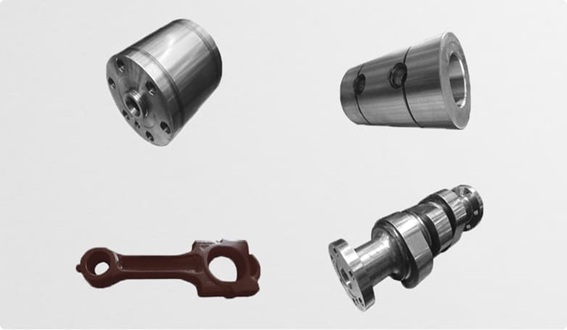
Steel forging produces a wide range of components tailored for various industries. Some common examples include:
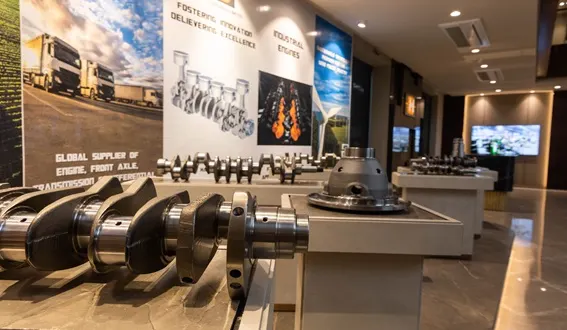
Automotive Parts: Crankshafts, connecting rods, and gears.
Industrial Equipment: Valves, flanges, and couplings for the oil and gas sector.
Agricultural Tools: Axles and other heavy-duty components for farming machinery.
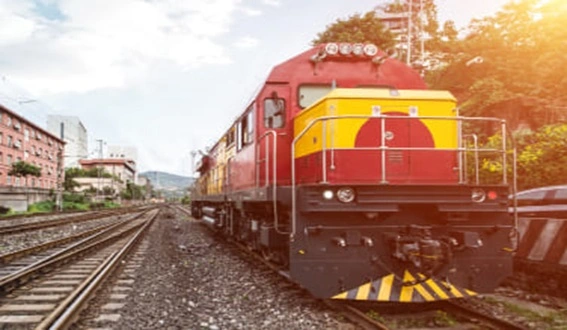
Railway and Wind Energy Components: High-strength components for extreme applications.
Benefits of Steel Forging
Enhanced Strength
The forging process aligns the steel’s grain structure, improving its mechanical properties and making it stronger than components produced through other methods.
Superior Durability
Forged components are highly resistant to wear and tear, making them ideal for heavy-duty and safety-critical applications.
Cost-Effective Production
Despite the high initial investment, forging proves cost-effective in the long run due to the durability and minimal maintenance requirements of forged parts.
Precision and Versatility
Modern forging techniques, coupled with advanced machining, allow for the production of components with complex geometries and tight tolerances.
Challenges in Steel Forging
While steel forging is highly advantageous, it comes with challenges such as:
- High energy consumption due to the heating and pressing processes.
- The need for skilled labor to operate advanced machinery.
- Material wastage, although this is minimized through efficient die design and scrap recycling.
Innovations and Trends in Steel Forging
The forging industry has seen significant advancements in recent years, including:
- Automation: Integration of robotic arms and automated systems to improve efficiency and consistency.
- Simulation Software: Tools that predict material flow and optimize die design, reducing trial-and-error methods.
- High-Performance Alloys: Development of advanced materials for specialized applications like aerospace and defense.
Why Choose Happy Forging Ltd. for Steel Forging Services in India
Located in Ludhiana, Punjab, Happy Forging Ltd. (HFL) is a leading name in the forging industry. With state-of-the-art facilities and a commitment to quality, HFL offers top-tier Steel Forging Services in India. Their expertise in manufacturing critical components, like crankshafts and axles, ensures reliability and precision for diverse industries.
HFL’s dedication to excellence has earned them accolades like the Gold Award for Superlative Performance in Agility at the 2024 Ashok Leyland Supplier Summit. Their advanced infrastructure, featuring cutting-edge tools like QNET and ADCOL, ensures every product meets the highest standards.
In conclusion
The steel forging process is a cornerstone of modern manufacturing, producing components that form the backbone of various industries. Companies like Happy Forging Ltd. in Ludhiana, Punjab, exemplify excellence in this field, delivering precision-forged solutions to clients worldwide.
As the demand for durable and high-performance components grows, the forging industry will continue to evolve, setting new benchmarks in quality and innovation.
For reliable and top-quality forging solutions, choose a trusted forging company in India like Happy Forging Ltd., where expertise meets innovation.