Steel forging is a vital process across industries, providing durable, high-strength components required for various applications. As one of the oldest manufacturing techniques, forging shapes metal through compressive forces offers superior mechanical properties compared to other processes. This blog explores the significance of Steel Forging Services in India, their applications, and the role of leading companies in driving this sector forward.
Understanding Steel Forging
Steel forging involves heating steel to a specific temperature where it becomes malleable but retains its fundamental properties. The heated steel is then shaped under high pressure using precision equipment such as hammers, presses, or dies. This process changes the material’s shape and refines its internal structure, enhancing strength and resilience.
Forged steel is preferred for critical applications because it achieves toughness and structural integrity unmatched by other manufacturing processes like casting or machining. Its ability to align the grain flow of the material optimally makes forged components highly resistant to impact, stress, and load-bearing conditions.
Applications of Steel Forging Across Industries
Steel forging finds its place in several industries, owing to its unmatched strength and reliability. Some of the prominent sectors benefiting from this technology include:
1. Automotive Industry
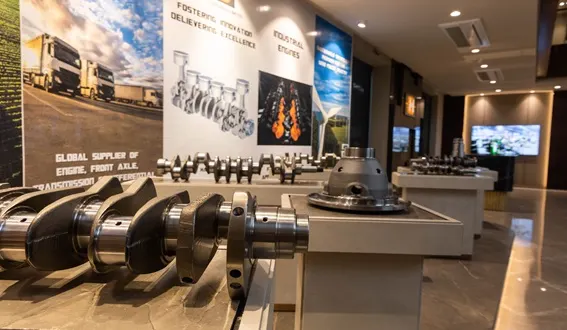
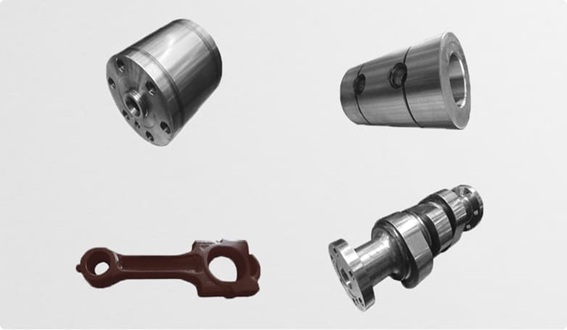
Forged components such as crankshafts, connecting rods, and gears are crucial for automotive applications. These parts ensure the durability and efficiency of engines, transmissions, and drive systems. Companies like Bharat Forge and Mahindra Forgings are prominent names contributing to this sector.
2. Agriculture and Farm Equipment
The agriculture industry relies on forged tools and parts, including plowshares, spindles, and tractor components. Forging ensures these parts can withstand the demanding conditions of farming operations.
3. Railways and Off-Highway Vehicles
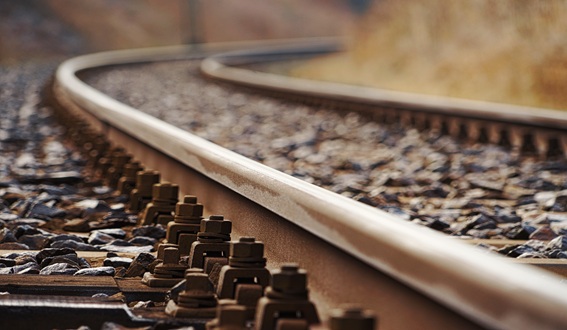
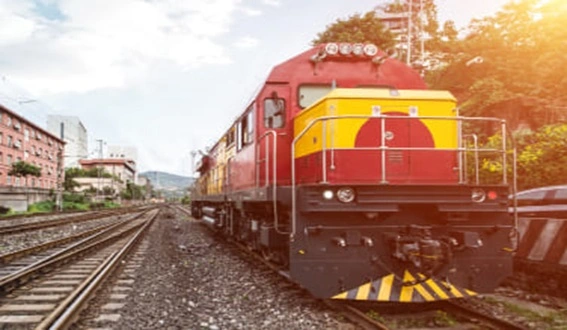
Forging supports the manufacturing of couplers, axles, and wheels for railway systems. Its ability to handle high loads and shocks makes it a preferred choice for off-highway vehicles like dump trucks and loaders.
4. Oil & Gas Industry
Steel forging plays a pivotal role in producing valves, flanges, and drilling components for oil and gas exploration. These parts are critical in environments with extreme pressure and temperature variations.
5. Power Generation and Wind Turbines
In the energy sector, forged components are indispensable for turbines, generators, and nuclear reactors. Seamless rolled rings and other forged parts help maintain operational reliability.
The Forging Process: From Concept to Completion
Steel forging is a meticulously controlled process, involving several critical stages:
- Material Selection
The right grade of steel is chosen based on the component’s end-use requirements. - Heating
Steel is heated to a specific temperature to achieve the desired malleability. - Forging
Using open-die, closed-die, or ring-rolling techniques, the metal is shaped under high pressure. - Cooling and Heat Treatment
Controlled cooling improves the material’s hardness and tensile strength, while heat treatment enhances durability. - Machining and Finishing
Components are machined to precise dimensions and finished to meet stringent industry standards. - Testing and Quality Assurance
Advanced equipment like Coordinate Measuring Machines (CMM) and metallurgical labs ensure each component meets rigorous quality benchmarks.
Advantages of Steel Forging
Steel forging offers numerous advantages over other manufacturing processes:
- Enhanced Strength and Durability
Forged components exhibit superior tensile strength and resistance to wear and tear. This strength is particularly vital in industries like automotive and oil & gas, where components must withstand high loads and extreme conditions. Forged parts have a longer operational life, reducing the frequency of replacements and maintenance costs.
- Improved Grain Flow
The forging process aligns the metal’s grain structure, boosting its structural integrity. This alignment minimizes the chances of cracks and fractures, even under heavy stress. Such characteristics make forged components ideal for critical applications like aerospace and power generation.
- Customizability
Forging allows for intricate designs and specifications tailored to various applications. Manufacturers can achieve unique shapes and sizes that meet stringent industry standards. This flexibility is essential for industries requiring high-precision components, such as medical equipment or high-performance engines.
- Cost-Effectiveness
Despite higher initial costs, forged components offer long-term value due to their extended lifespan and minimal maintenance. Additionally, forging reduces material wastage, making it an economical choice for high-volume production. The reliability of forged parts further lowers downtime and associated costs in industrial operations.
Why India is a Hub for Steel Forging Services
India’s robust manufacturing infrastructure and skilled workforce make it a global leader in forging. The availability of high-quality raw materials, competitive costs, and advanced technology further strengthen the country’s position in this sector. Companies offering Steel Forging Services in India cater to both domestic and international markets, adhering to stringent quality standards.
Happy Forging Ltd.: A Trusted Partner in Steel Forging
As a Ludhiana-based pioneer, Happy Forging Ltd. has earned its reputation for delivering excellence in steel forging. The company’s state-of-the-art facilities, coupled with its commitment to innovation, enable it to meet the evolving demands of industries worldwide.
From automotive components to critical parts for oil and gas exploration, HFL provides tailored solutions that combine precision and reliability.
Their awards and accolades, including the American Axle Manufacturing Supplier Excellence Award and Ashok Leyland’s Gold Award for Agility, highlight their leadership in the forging industry.
In conclusion
Steel forging is indispensable across industries, enabling the production of robust and reliable components that drive modern engineering. Companies offering Steel Forging Services in India play a vital role in supporting diverse sectors, from automotive to energy.
With industry leaders like Bharat Forge, Mahindra Forgings, and Happy Forging Ltd., the Indian forging landscape continues to thrive, meeting global demands with excellence.
Whether you need complex, high-precision components or safety-critical parts, forging remains the backbone of industrial innovation. For unparalleled expertise and quality, Happy Forging Ltd., based in Ludhiana, stands ready to meet your needs.