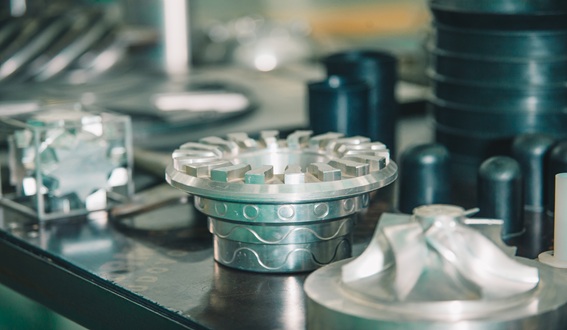
Precision parts play a critical role in ensuring the seamless performance and longevity of machinery in industries like automotive, agriculture, power generation, and more. Precision components are intricately designed and manufactured to meet exacting standards, enhancing efficiency, safety, and overall functionality.
With advancements in forging and machining technology, companies can now produce precision parts that withstand demanding applications, offer reliability, and optimize performance.
In India, leading players like Happy Forging Ltd. (HFL) have distinguished themselves as top providers of high-quality forged and machined components, contributing to India’s manufacturing success.
Understanding Precision Parts in Manufacturing
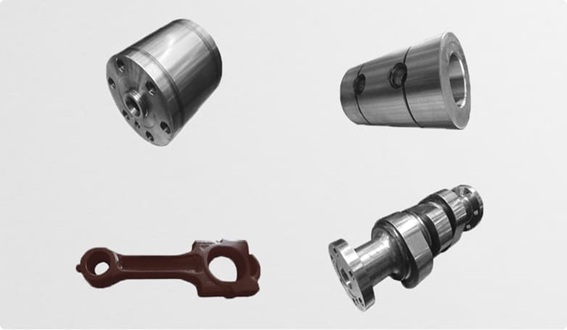
Precision parts are components made with exact specifications to fit within a specific tolerance range. This accuracy is crucial, as even the smallest deviation can lead to performance issues in machines, compromising their efficiency and safety. Precision parts find applications across industries:
- Automotive: Used in engines, transmissions, and braking systems, precision parts ensure reliable vehicle performance.
- Oil & Gas: Withstand high pressures and temperatures, maintaining structural integrity in complex environments.
- Agriculture and Farm Equipment: Enhance the durability and functionality of machinery used in tough field conditions.
The Role of Forging in Precision Manufacturing
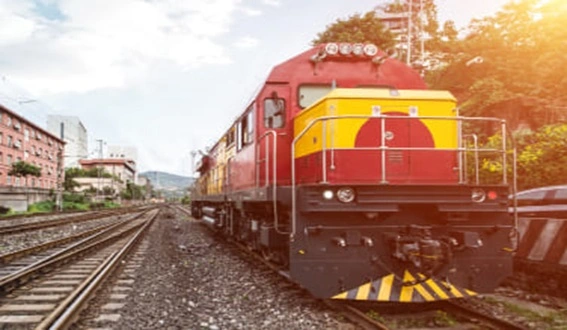
Forging is a metal-forming process that creates high-strength parts by compressing metals under extreme pressure. This process is favored for producing durable, high-quality components that can resist stress and wear. Forging is ideal for safety-critical parts, where failure is not an option, making it a preferred manufacturing method in industries such as automotive, oil & gas, and railways.
In India, forging companies like Happy Forging Ltd. (Ludhiana, Punjab) have set a high standard by producing complex, heavy-forged, and high-precision machined components for both domestic and international markets.
Forging processes are continually refined to achieve new levels of strength and accuracy, with companies like HFL investing in advanced technology to drive innovation and meet the needs of a demanding global market.
Types of Precision Parts and Their Applications
Precision parts can be categorized based on their applications, complexity, and requirements. Here are some key types and examples of their applications:
1. Automotive Components
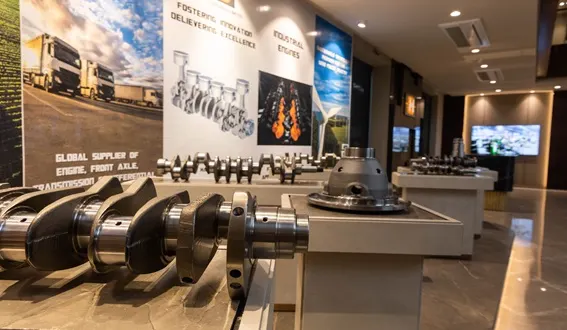
Precision parts in the automotive sector include engine blocks, crankshafts, gears, and transmission shafts. These components demand high precision to ensure efficient fuel consumption, smooth operation, and safety. Forging plays an essential role here, creating parts that can handle the pressures and stresses of automotive applications.
2. Aerospace and Defence
In aerospace and Defence, parts like turbine blades, landing gears, and structural components require rigorous precision to withstand extreme conditions. These parts often go through extensive quality checks to meet stringent safety standards.
3. Industrial and Agricultural Machinery
Agricultural machinery, from tractors to harvesters, relies on precision parts like gears and hydraulic components. These components are engineered to provide maximum durability and resist wear over long periods of use in challenging environments.
4. Oil & Gas Equipment
The oil and gas industry relies on precision parts to support safe and efficient drilling, extraction, and processing operations. Parts such as valves, pumps, and compressors must function under high pressure and temperature conditions, demanding materials and processes that can ensure reliability.
The Benefits of Precision Parts in Manufacturing
Precision parts bring a host of advantages to manufacturing, making them essential for today’s industries. Here’s how precision parts contribute to performance, cost savings, and overall efficiency.
1. Enhanced Performance and Reliability
Precision parts are engineered to meet exact specifications, resulting in high-performance components. This reliability is essential for industries where machine downtime can be costly. The automotive and aerospace sectors, for example, benefit greatly from precision parts that provide consistent performance.
2. Increased Safety
Safety-critical components must withstand rigorous testing and demanding environments. Precision forging ensures these parts meet stringent safety standards, particularly in sectors like aerospace, oil & gas, and Defence.
3. Cost Efficiency
The durability of precision parts reduces maintenance needs, leading to long-term cost savings. High-quality components, such as those produced by forging companies in India like HFL, offer a cost-effective solution that balances quality with performance.
4. Material and Energy Savings
Precision manufacturing often involves using advanced techniques that minimize material waste and optimize energy consumption. This efficient use of resources contributes to sustainability while reducing production costs.
5. Faster Production and Time-to-Market
By using state-of-the-art machinery, precision parts manufacturers can shorten production times, ensuring faster time-to-market for critical components. HFL’s vertically integrated setup is a prime example of streamlined operations that enhance efficiency and speed.
Happy Forging Ltd. (HFL) – Leading the Way in Precision Parts Manufacturing
Located in Ludhiana, Punjab, Happy Forging Ltd. stands out as a trusted forging company in India with over 40 years of experience in producing precision parts. HFL’s commitment to delivering high-quality forged components has earned it a place among the industry’s top manufacturers. With its vertically integrated operations, HFL can control each production stage, from design to final production, ensuring superior quality control and consistency.
HFL’s diverse portfolio serves both domestic and international clients, providing complex and safety-critical components that meet the highest standards. The company’s extensive experience in sectors such as automotive, railways, agriculture, and oil & gas allows it to cater to unique requirements, offering value-added solutions that optimize both performance and safety.
In conclusion
Precision parts are foundational to the seamless operation of machinery across various industries. Leading forging companies in India, like Happy Forging Ltd., are at the forefront of this sector, leveraging advanced technologies and refined processes to produce high-quality components. With its strong commitment to quality and innovation, HFL continues to shape the future of precision manufacturing. For businesses looking to ensure reliability and performance in their products, partnering with a reliable forging company like HFL is key to achieving long-term success in a competitive market.