In today’s industrial landscape, the demand for robust, high-quality components is higher than ever. Whether in automotive, construction, or aerospace, the need for heavy parts that can withstand immense pressure and wear is critical. Forgings products manufacturers play a crucial role in meeting this demand, offering durable and strong components that serve as the backbone of various industries. In this blog, we will explore the world of forging, its significance, and why choosing the right forging supplier for heavy parts is essential for your business.
Understanding Forging and Its Importance
Forging is one of the oldest manufacturing processes, dating back thousands of years. It involves shaping metal using compressive forces, typically delivered by a hammer or a die. The process can be conducted at various temperatures, including cold, warm, and hot forging, offering different advantages.
Why Forging?
Forging is widely favored due to its ability to produce parts with exceptional strength, toughness, and durability. The process aligns the metal’s grain structure, making the resulting components more robust and resistant to fatigue and stress. This is especially crucial for heavy parts used in industries where failure is not an option.
Types of Forging-
- Open Die Forging: Ideal for large, simple-shaped components, this method involves the metal being placed on a stationary anvil and deformed by a hammer or press.
- Closed Die Forging: Used for more complex shapes, this method involves the metal being enclosed in a die and shaped by applying pressure from a hammer or press.
- Seamless Rolled Ring Forging: Typically used for producing high-strength rings, this process involves rolling a ring-shaped billet to the desired size.
Key Benefits of Forged Heavy Parts
Forged heavy parts offer several advantages over those produced by other methods like casting or machining. Understanding these benefits can help businesses make informed decisions when selecting a forging supplier for heavy parts.
- Superior Strength and Durability
Forged parts are known for their superior mechanical properties, including high tensile strength, ductility, and resistance to impact and fatigue. This makes them ideal for heavy-duty applications.
- Enhanced Grain Flow and Structural Integrity
The forging process results in continuous grain flow, which follows the shape of the part. This improves the structural integrity of the component, making it more resilient under stress.
- Reduced Risk of Defects
Unlike casting, forging significantly reduces the risk of internal defects such as voids or porosity. This results in more reliable parts that perform consistently in critical applications.
Applications of Forged Heavy Parts
Forged components are utilized in a wide range of industries, each with specific requirements for strength, durability, and reliability.
- Automotive Industry
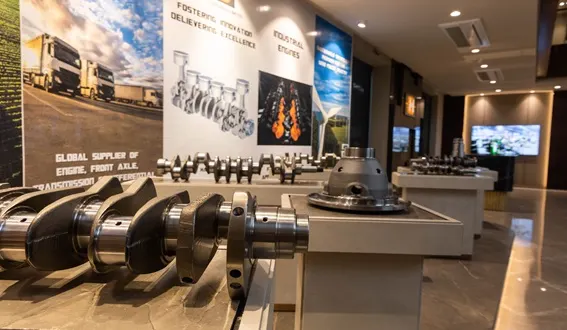
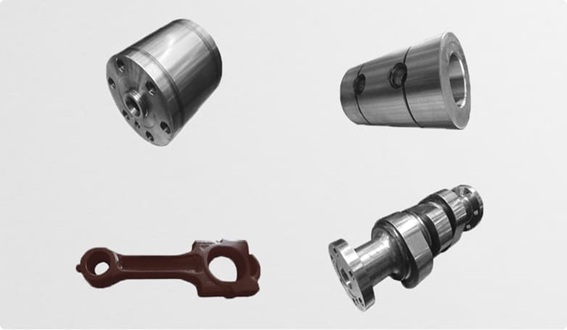
In the automotive sector, forged parts such as crankshafts, connecting rods, and steering knuckles are essential for ensuring the reliability and safety of vehicles.
- Construction and Mining
Heavy-duty equipment used in construction and mining relies on forged parts like gears, axles, and hammers to perform under extreme conditions.
- Aerospace Industry
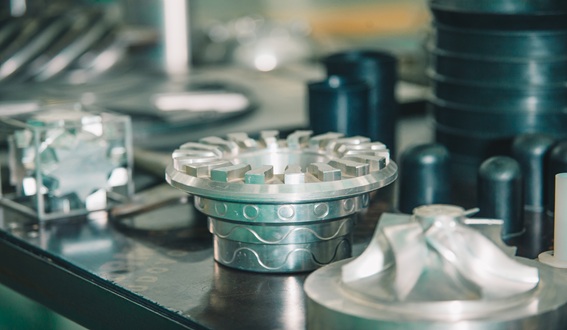
The aerospace industry demands the highest standards of precision and strength. Forged components like landing gear, turbine blades, and engine parts are crucial for the safety and performance of aircraft.
Choosing the Right Forging Supplier for Heavy Parts
Selecting the right forging supplier for heavy parts is critical for ensuring the quality and reliability of the components you use in your operations. Here are some key factors to consider when making your choice.
- Experience and Expertise
A supplier with extensive experience in forging heavy parts will have the technical knowledge and capabilities to produce components that meet your specific requirements. Look for forgings products manufacturers with a proven track record in your industry.
- Quality Control and Certifications
Quality control is paramount in forging. Ensure that the supplier adheres to stringent quality standards and holds relevant certifications, such as ISO 9001, which guarantee the consistency and reliability of their products.
- Advanced Technology and Equipment
The forging industry has evolved with advancements in technology. A modern forging supplier should have state-of-the-art equipment, such as CNC machines, to produce complex and precise components.
- Customization Capabilities
Every industry has unique requirements. A supplier who can offer customized forging solutions, tailored to your specific needs, is invaluable. Whether it’s a specific material, shape, or size, the ability to provide bespoke solutions is a key indicator of a reliable supplier.
The Future of Forging: Innovations and Trends
The forging industry continues to evolve, driven by advancements in technology and changing market demands. Understanding these trends can help businesses stay ahead of the curve.
- Automation and Industry 4.0
The integration of automation and Industry 4.0 technologies is revolutionizing the forging industry. Automated processes, such as robotic forging, are increasing efficiency, reducing costs, and improving the consistency of forged parts.
- Advanced Materials
The development of new materials, such as high-performance alloys and composites, is expanding the possibilities for forging. These materials offer enhanced properties, such as increased strength-to-weight ratios, which are crucial for industries like aerospace and automotive.
- Sustainable Practices
As environmental concerns grow, the forging industry is adopting more sustainable practices. This includes the use of eco-friendly materials, energy-efficient processes, and waste-reduction techniques to minimize the environmental impact of forging operations.
In conclusion
In conclusion, the importance of selecting the right supplier for heavy parts cannot be overstated. The quality and reliability of forged components directly impact the performance and safety of the final products they are used in. By partnering with a trusted supplier like Happy Forging Ltd. (HFL), businesses can ensure they receive components that meet their specific needs and exceed their expectations.
With their commitment to innovation, quality, and customer satisfaction, HFL stands out as a leader among forging product manufacturers. They offer the expertise and capabilities to provide you with the strongest and most durable forged parts on the market.
Choosing a supplier is not just about cost; it’s about ensuring that your heavy parts are forged to perfection, providing the strength and durability your industry demands. Make the right choice, and your business will benefit from components that perform flawlessly under the most challenging conditions.