India has emerged as a global hub for forging, driven by its cost-effective production, skilled workforce, and technological advancements. Forged components play a critical role in the automotive and industrial sectors, offering strength, durability, and precision.
These components are essential for safety-critical applications, ensuring reliability in high-stress environments. This blog explores the significance of forged components, the role of the forging company in India, and the contributions of leading manufacturers like Happy Forging Ltd. (HFL) in Ludhiana, Punjab.
Importance of Forged Components
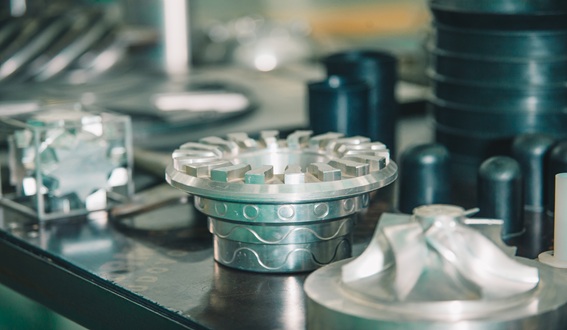
Forging is a process that shapes metals under high pressure to create strong, durable, and precise components. These attributes make forged components indispensable across various industries.
1. Automotive Industry
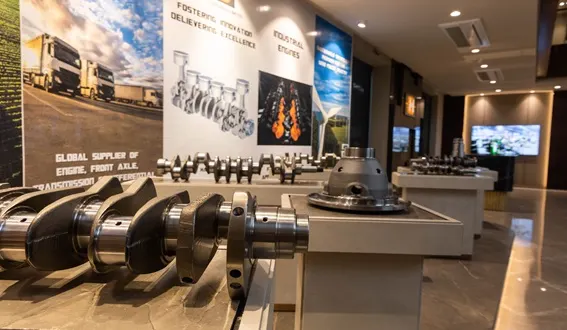
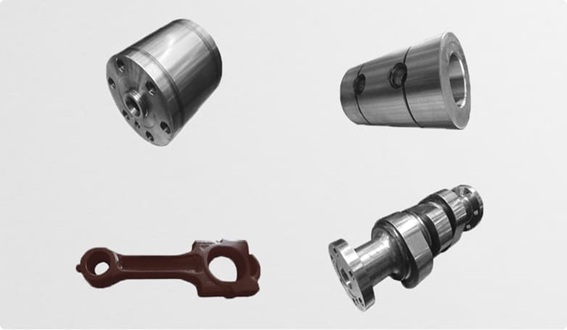
In the automotive sector, forged parts are crucial for vehicles’ structural integrity and performance. Components such as crankshafts, connecting rods, steering knuckles, and axles are typically forged to withstand extreme stresses.
Their high strength-to-weight ratio makes them ideal for applications in passenger and commercial vehicles.
2. Industrial Applications
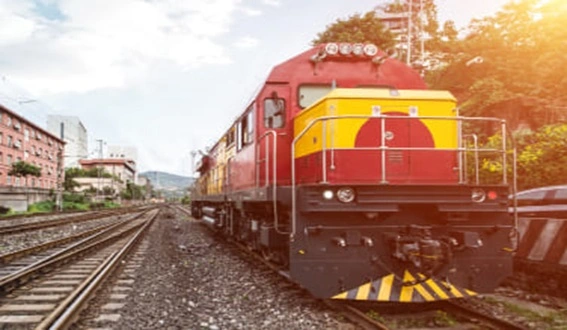
Forged components are widely used in industries such as oil & gas, railways, power generation, and agriculture. For instance, heavy-duty machinery in the agriculture sector relies on forged parts for operational efficiency and longevity.
Similarly, turbines and pumps in power generation and oil exploration depend on forged components for reliability.
Why Forging is Preferred Over Other Manufacturing Processes
Forging offers several advantages compared to casting and machining.
- Strength and Durability: The grain structure of forged components enhances their strength, making them ideal for safety-critical applications.
- Precision: Modern forging techniques achieve tight tolerances and intricate designs, reducing the need for secondary machining.
- Cost Efficiency: While the initial tooling cost is high, forging becomes cost-effective in large-scale production.
- Material Utilization: Forging minimizes material wastage compared to other methods like machining.
Role of Indian Forging Manufacturers in the Global Market
Indian forging companies have carved a niche in the global market, thanks to their ability to deliver high-quality products at competitive prices.
- Automotive Industry Leadership
India supplies forged components to leading global original equipment manufacturers (OEMs). Components like crankshafts, connecting rods, and gear blanks are exported worldwide, meeting stringent quality standards.
- Diverse Industrial Applications
Indian manufacturers provide forged parts for sectors like oil & gas, wind energy, and railways. For example, the wind energy sector relies on forged flanges and shafts for turbines, where precision and durability are critical.
- Focus on Innovation
Companies like HFL have invested heavily in R&D to innovate and improve product quality. For instance, HFL’s expertise in engineering design allows it to cater to complex, margin-accretive components, making it a preferred partner for global OEMs.
Challenges and Opportunities for the Forging Industry
While the Indian forging industry has achieved remarkable growth, it faces challenges such as fluctuating raw material prices, energy costs, and the need for continuous technological upgrades. However, opportunities abound:
- Increased Global Demand: The demand for lightweight and high-strength components in the automotive and industrial sectors is rising.
- Electrification of Vehicles: The shift to electric vehicles (EVs) opens new avenues for forged components in battery housing, chassis, and drivetrain systems.
- Government Initiatives: Programs like ‘Make in India’ and production-linked incentives (PLI) schemes encourage manufacturing and exports.
The Future of Forging in India
The forging industry in India is poised for significant growth, driven by advancements in technology and increased demand from global markets. Manufacturers are adopting automation and Industry 4.0 practices to improve efficiency and precision. With a focus on innovation and quality, Indian forging companies are well-positioned to lead in emerging sectors like EVs and renewable energy.
Why Choose Happy Forging Ltd. (HFL)?
As a leading forging company in India, HFL combines expertise and innovation to deliver high-quality forged components across diverse industries. Based in Ludhiana, Punjab, HFL’s vertically integrated operations and advanced manufacturing facilities ensure consistent quality and precision.
The company’s commitment to excellence has earned it prestigious awards like the American Axle Manufacturing (AAM) India Supplier Excellence Award 2023. HFL’s partnerships with domestic and international OEMs underline its capability to meet the most demanding requirements. Whether it’s automotive, agriculture, or industrial applications, HFL stands out for its reliability and customer-centric approach.
In conclusion
The forging industry is the backbone of several critical sectors, ensuring the strength, durability, and precision required for modern applications. Indian manufacturers, including Happy Forging Ltd., continue to set benchmarks in quality and innovation, contributing significantly to both domestic and global markets.
With a legacy of over 40 years, HFL exemplifies the potential and capabilities of the Indian forging industry. If you’re looking for a trusted forging company in India,