The automotive industry has witnessed tremendous growth and innovation over the past few decades. One of the key areas within this industry is front axle manufacturing, a critical component that ensures the proper functioning of vehicles, particularly in heavy-duty trucks and buses. The front axle plays a crucial role in supporting the vehicle’s load, maintaining alignment, and enabling steering precision.
At the forefront of this advancement is Happy Forging Ltd. (HFL), located in Ludhiana, Punjab, North India. HFL is a prominent forging company in India, specializing in the production of high-quality front axle components that meet the exacting standards of automotive manufacturers worldwide. This blog explores the intricacies of front axle manufacturing, the technological innovations driving this sector, and how companies like HFL are leading the way in North India’s automotive manufacturing landscape.
The Role of Front Axles in Automotive Engineering
The front axle is a fundamental part of a vehicle’s chassis, bearing the weight of the vehicle and enabling smooth, stable steering. It is primarily responsible for maintaining the alignment of the wheels, supporting the weight of the front end, and ensuring that the vehicle handles well under different driving conditions. A high-quality front axle is vital for:
- Load Bearing: The front axle carries the weight of the vehicle, including the engine and the cabin.
- Steering Control: It plays a pivotal role in providing directional stability and allowing smooth steering movements.
- Shock Absorption: The axle absorbs shocks from uneven road surfaces, ensuring a smoother ride.
Given these critical roles, precision in front axle manufacturing is paramount, as any flaws could result in compromised vehicle safety and performance.
Front Axle Manufacturing: Key Processes
Front axle manufacturing involves several specialized processes designed to ensure that the final product is durable, reliable, and capable of withstanding the rigors of day-to-day use in heavy vehicles. The production process for front axles includes:
1. Forging
Forging is the process of shaping metal using localized compressive forces. It is widely regarded as one of the most effective methods for producing strong, durable components such as front axles. In the context of axle production, the raw material, typically steel, is heated to a malleable state and then shaped into the desired form using high-pressure dies. The resulting forged axles are much stronger and more durable than those made using other methods such as casting.
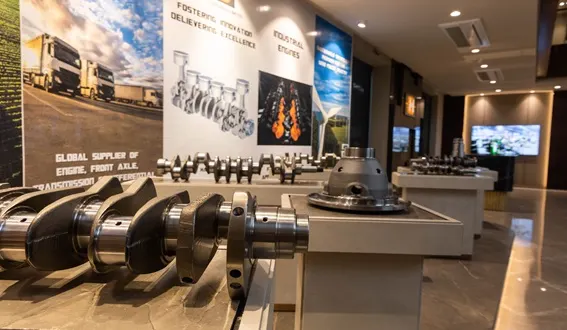
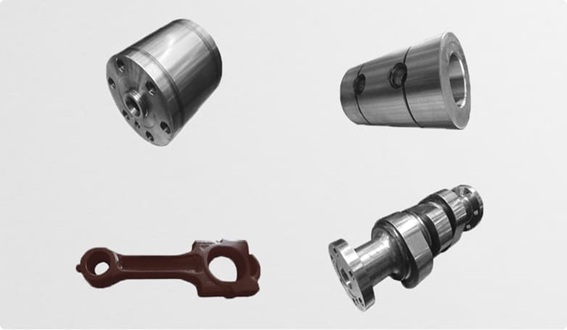
At HFL, front axle beams are forged with precision using cutting-edge technology. With the capability to forge front axle beams up to 250 kg, HFL stands out as a leading forging company in India. This ensures that the front axle components, such as beams and steering knuckles, meet the highest standards of quality, durability, and performance.
2. Heat Treatment
Once the front axle is forged, it undergoes heat treatment to further enhance its strength and durability. Heat treatment involves heating the axle to a specific temperature, followed by controlled cooling to alter its microstructure. This process improves the material’s resistance to wear, corrosion, and fatigue, ensuring a longer lifespan for the front axle.
3. Machining
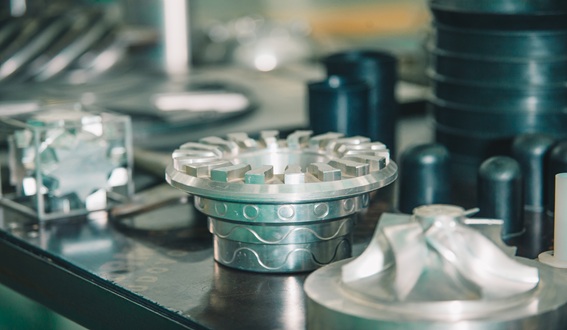
Machining is another crucial step in front axle manufacturing. It involves cutting and shaping the axle to its final dimensions, ensuring that all critical surfaces are smooth and precise. Advanced CNC (Computer Numerical Control) machines are used for this purpose, ensuring that each axle meets exacting specifications and tolerances. The use of state-of-the-art CNC machinery ensures that the front axle components have excellent accuracy and finish, contributing to the overall performance of the vehicle.
4. Quality Control
Quality control is an integral part of front axle manufacturing. Each component undergoes rigorous testing and inspection to ensure it meets the required standards for strength, durability, and safety. This includes visual inspections, non-destructive testing (such as ultrasonic or magnetic particle testing), and load-bearing tests. At HFL, stringent quality control measures are in place to ensure that every axle leaving the plant adheres to international quality standards.
Technological Innovations in Front Axle Manufacturing
The manufacturing of front axles has evolved significantly over the years, driven by technological advancements and the need for more efficient, lightweight, and durable components. Some of the key innovations shaping the front axle manufacturing industry include:
1. Automation and Robotics
Automation is playing an increasingly important role in axle manufacturing. Robotics and automated systems are used to streamline the forging, machining, and quality control processes, resulting in higher production efficiency and consistency. By reducing human error, automation ensures that each axle is manufactured with the highest level of precision and quality.
2. Advanced Materials
The development of new materials, such as high-strength steel alloys, has significantly improved the performance of front axles. These materials offer enhanced durability, corrosion resistance, and fatigue strength, allowing manufacturers to produce lighter axles without compromising on safety or performance. At HFL, advanced steel alloys are used in the production of front axle beams and steering knuckles, ensuring superior quality and longevity.
3. Sustainability Initiatives
Sustainability is becoming a key focus in the automotive industry, including front axle manufacturing. Many companies are adopting eco-friendly practices, such as using recycled materials, reducing energy consumption in the forging process, and minimizing waste. HFL is committed to sustainable manufacturing practices, ensuring that its operations have a minimal environmental impact while maintaining high standards of production.
Challenges in Front Axle Manufacturing
Despite the advancements in technology, front axle manufacturing presents several challenges, particularly in terms of material selection, design complexity, and maintaining strict quality standards. Some of the key challenges include:
1. Material Fatigue
The constant load and stress placed on front axles can lead to material fatigue, where the metal weakens over time. To combat this, manufacturers must select high-quality materials that are resistant to fatigue and employ advanced heat treatment processes to enhance durability.
2. Precision Engineering
The precision required in axle manufacturing is immense, especially when producing components for heavy vehicles. Even minor deviations in measurements can affect the performance of the axle, leading to issues such as misalignment and uneven wear. This makes quality control a critical part of the production process.
3. Cost Pressures
The cost of raw materials, energy consumption, and labor can put pressure on manufacturers to maintain competitive pricing while delivering high-quality products. Companies like HFL mitigate this by investing in automation and advanced manufacturing techniques, which help reduce costs without compromising on quality.
HFL: Driving Innovation in Front Axle Manufacturing
Happy Forgings Ltd. (HFL), located in Ludhiana, Punjab, is a pioneer in front axle manufacturing in North India. With decades of experience in forging high-quality automotive components, HFL has established itself as a leading forging company in India. Their front axle beams, steering knuckles, and other components are renowned for their strength, precision, and durability.
HFL’s state-of-the-art forging facilities, coupled with advanced CNC machinery, enable them to produce components that meet the stringent requirements of global automotive manufacturers. By focusing on innovation, quality control, and sustainability, HFL continues to drive the future of front axle manufacturing in North India.
In conclusion
The front axle is a crucial component in vehicle engineering, and its manufacturing requires a combination of advanced technology, skilled labor, and stringent quality control. North India, particularly companies like Happy Forgings Ltd., is at the forefront of this industry, producing high-quality front axle components that meet the demands of the global automotive market. HFL, with its commitment to precision, durability, and innovation, continues to lead the way in front axle manufacturing, ensuring that vehicles on the road are safe, efficient, and reliable