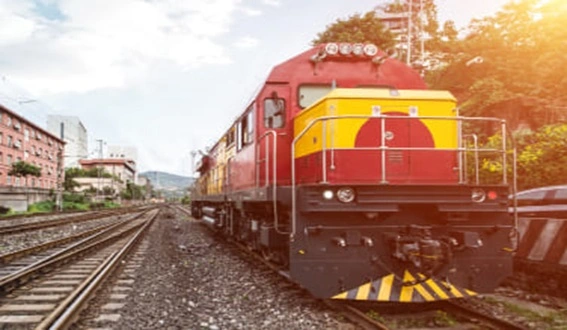
The global railway industry relies heavily on an efficient and dependable supply chain for the production and maintenance of its operations. Railway parts manufacturers play a vital role in ensuring seamless railway operations by producing the high-quality components required for trains, wagons, and other rail infrastructure.
India, with its growing industrial base, has become a critical player in this supply chain, exporting railway parts globally. This blog explores the key contributions of railway parts manufacturers in India, the challenges they face, and their impact on the global stage.
The Growing Significance of Railway Parts Manufacturers in India
India’s railway sector is among the largest in the world, with an expansive network and an increasing demand for advanced technology and precision engineering. Over the years, Indian manufacturers have developed expertise in producing high-quality components that meet international standards.
Why India?
- Cost-Effective Manufacturing: Indian companies leverage competitive production costs, making their products attractive to global markets.
- Advanced Forging Technology: With advancements in forging and machining, Indian companies now produce parts that ensure durability and reliability.
- Large-Scale Production Capability: India’s ability to handle bulk orders efficiently has positioned it as a preferred supplier for railway operators worldwide.
Some of the most commonly manufactured components include:
- Bogie frames
- Axle boxes
- Couplers
- Braking systems
Processes Involved in Manufacturing Railway Parts
The production of railway components requires meticulous planning and execution. Indian railway parts manufacturers employ advanced techniques to ensure the quality and safety of their products. Below is an outline of the key processes:
1. Design and Prototyping
Before manufacturing begins, engineers create detailed designs and prototypes based on customer specifications. Simulation tools are often used to test the feasibility of the designs.
2. Forging and Casting
High-quality raw materials like steel and alloys are forged or cast into desired shapes. The forging process involves heating the material to extreme temperatures to enhance its strength and durability.
3. Precision Machining
Once the components are forged, precision machining ensures that the parts meet exact specifications. Computer Numerical Control (CNC) machines are commonly used for this purpose.
4. Quality Testing
Rigorous quality control measures, including non-destructive testing and stress analysis, ensure the parts meet international safety and performance standards.
Challenges Faced by Indian Railway Parts Manufacturers
While Indian companies have achieved significant success, they face several challenges in maintaining their global competitiveness:
1. Fluctuating Raw Material Prices
The cost of steel and other raw materials can vary significantly, affecting production costs.
2. Compliance with Global Standards
Adhering to international certifications like ISO and EN standards requires substantial investment in infrastructure and technology.
3. Supply Chain Disruptions
Global events such as the COVID-19 pandemic have highlighted vulnerabilities in supply chains, delaying shipments and increasing costs.
4. Competition from Other Countries
Countries like China and Germany are also major players in the railway parts industry, creating stiff competition for Indian manufacturers.
India’s Contribution to Global Supply Chains
Indian manufacturers are integral to the global railway supply chain due to their ability to deliver quality components at competitive prices. Their partnerships with international railway operators have led to a robust exchange of technology and expertise.
Key Export Markets
Indian railway parts are exported to:
- Europe
- North America
- Southeast Asia
- Middle East
These markets value the durability and cost-effectiveness of Indian-made components, which help reduce overall operating costs for railway systems.
Technological Innovations
Indian manufacturers are increasingly adopting automation and digitalization to streamline production. This ensures better efficiency and faster delivery timelines, further solidifying their position in the global market.
Future Outlook for Indian Railway Parts Manufacturers
The global demand for railway components is expected to rise due to increasing investments in rail infrastructure. Indian manufacturers are well-positioned to capitalize on this trend by focusing on:
- Expanding Production Capacities: Building larger facilities to handle bulk international orders.
- Innovation in Materials: Researching lightweight and durable materials to improve component performance.
- Strengthening Global Partnerships: Collaborating with international railway operators to understand and meet specific requirements.
In conclusion
Indian railway parts manufacturers have established themselves as key players in the global supply chain. Companies like Happy Forging Ltd. (HFL) in Ludhiana, Punjab, continue to raise the bar with their commitment to quality and innovation. HFL’s precision-engineered components ensure seamless railway operations both in India and abroad, making it a trusted name in the industry.
By addressing challenges and leveraging technological advancements, Indian manufacturers are poised to play an even bigger role in the global railway ecosystem. Their contributions not only enhance the efficiency of railway systems worldwide but also solidify India’s reputation as a hub for high-quality engineering solutions.