Forging presses are the backbone of manufacturing, transforming raw materials into precise and durable components used across various industries. The 12,500-ton forging press stands out for its immense power and versatility among the different types of forging presses. This heavy-duty machinery offers numerous advantages, making it a preferred choice for industries requiring high-quality forged products. This blog will explore the benefits of this forging press under several key headings and subheadings.
Understanding the 12,500-Ton Forging Press
A forging press is a machine that applies pressure to shape metal by deforming it into the desired form. The 12,500-ton forging press is one of the most powerful presses available, capable of exerting a force of 12,500 tons. This immense power allows it to work with large, complex components that smaller presses cannot handle. The press operates by using hydraulic or mechanical systems to deliver the required force, making it suitable for forging a wide range of materials, including steel, aluminum, and titanium.
Advantages of Using a 12500-Ton Forging Press
1. High Precision and Consistency
One of the most significant advantages of a 12,500-ton forging press is its ability to produce components with high precision and consistency. The enormous force exerted by the press ensures that the metal is uniformly shaped, resulting in parts with tight tolerances and minimal variations. This level of accuracy is crucial for industries such as aerospace, automotive, and defense, where even the slightest deviation in component dimensions can lead to critical failures.
The press’s ability to maintain consistency across large production runs also reduces the need for secondary machining processes, saving time and costs. Moreover, the uniformity in the forged products enhances their performance, reliability, and longevity, making them ideal for demanding applications.
2. Enhanced Material Strength and Durability
The forging process inherently improves the mechanical properties of the material being worked on. When metal is subjected to high pressure, its internal grain structure is refined, leading to enhanced strength and durability. This is because the press aligns the metal’s grains in the direction of the applied force, eliminating any potential weaknesses or defects within the material.
Components forged using a 12,500-ton forging press are known for their superior toughness, fatigue resistance, and ability to withstand extreme conditions. These characteristics are particularly important in industries where components are exposed to high stress, such as in automotive engines, heavy machinery, and oil and gas exploration.
3. Capability to Handle Large and Complex Components
Not all forging presses are capable of handling large and complex components, but the 12,500-ton forging press excels in this regard. Its massive capacity allows it to forge oversized parts that are essential in industries like aerospace and power generation. These parts often have intricate shapes and require precise forming, which the press can achieve with ease.
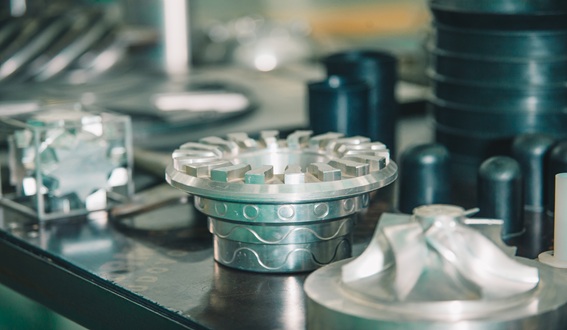
In addition to handling large components, the press is also adept at forging complex geometries with multiple contours and cavities. This capability is essential for producing parts that are both lightweight and strong, such as turbine blades, crankshafts, and structural components in aircraft and ships.
4. Increased Production Efficiency
The press’s ability to exert a large amount of force in a single stroke means that the forging process can be completed quickly and with fewer operations. This not only reduces the cycle time but also minimizes the wear and tear on the equipment, leading to lower maintenance costs and longer service life.
Moreover, the high efficiency of the press allows manufacturers to produce more parts in less time, increasing overall productivity. This is particularly beneficial for high-volume production runs, where meeting tight deadlines is crucial. The press’s capability to handle various materials and component sizes also adds to its versatility, making it a valuable asset in any production line.
5. Cost-Effectiveness and Resource Optimization
Investing in this forging press can lead to significant cost savings in the long run. The press’s ability to produce high-quality components with minimal defects reduces the need for costly rework and scrap. Additionally, the press’s efficiency in material utilization ensures that less raw material is wasted during the forging process.
The longevity of the forged components also contributes to cost savings. Since the components are stronger and more durable, they require less frequent replacement, reducing the overall lifecycle costs. Furthermore, the press’s ability to produce parts with complex geometries in a single operation eliminates the need for multiple machines and setups, leading to further savings in time and labor.
Applications of the 12500-Ton Forging Press
The versatility of the 12,500-ton forging press makes it suitable for a wide range of applications across various industries. Some of the key industries that benefit from this powerful press include:
1. Aerospace Industry
In the aerospace industry, components must meet stringent quality and performance standards. The 12,500-ton forging press is used to produce critical parts such as landing gear, turbine discs, and structural components. These parts require high precision and strength to withstand the extreme conditions of flight, making the press an ideal choice for aerospace manufacturers.
2. Automotive Industry
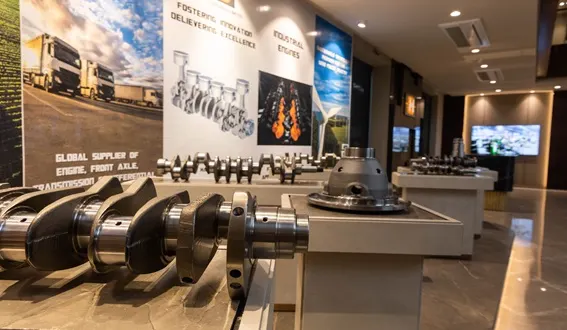
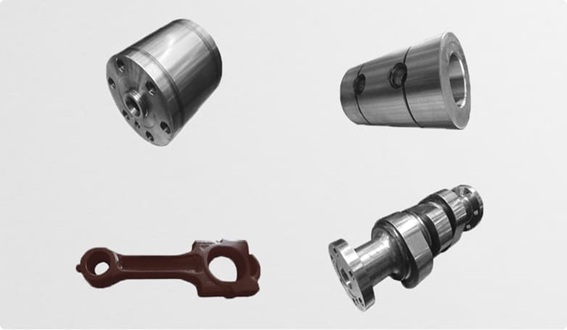
The automotive industry relies on forging presses to produce essential components such as crankshafts, connecting rods, and transmission gears. The 12,500-ton forging press ensures that these parts have the necessary strength and durability to perform reliably in engines and drivetrains. The press’s ability to handle large production volumes also makes it a valuable asset for automotive manufacturers.
3. Power Generation
In the power generation sector, the 12,500-ton forging press is used to produce components for turbines, generators, and other critical equipment. These parts must be able to withstand high temperatures and pressures, making the press’s ability to forge strong and durable components essential.
4. Oil and Gas Industry
The oil and gas industry demands components that can perform in harsh environments, such as deep-sea drilling and high-pressure pipelines. The 12,500-ton forging press is used to produce parts such as valve bodies, flanges, and pressure vessels that meet the industry’s stringent requirements for strength and reliability.
In conclusion
The 12,500-ton forging press is a powerhouse in the world of manufacturing, offering unparalleled strength, precision, and versatility. Its ability to produce high-quality components with enhanced material properties makes it a valuable asset across various industries.
Happy Forging Ltd. (HFL) is proud to leverage the advantages of a forging press like 14000 ton, 8000 ton, 4000 ton, and 6300-ton mechanical forging press & 2500 ton forging screw press in its operations, ensuring that its customers receive only the best in forged components. With a commitment to quality, efficiency, and sustainability, HFL continues to be a leader in the forging industry, providing innovative solutions that meet the needs of its clients.