India’s forging industry has been a cornerstone of its manufacturing sector, playing a vital role in producing components for various industries, including automotive, aerospace, and heavy machinery. Among the many advancements in this field, the introduction of the 12000-ton forging press stands out as a game-changer, pushing the boundaries of what is possible in forging technology. This blog delves into the significance of this innovation, its impact on the industry, and how companies like Happy Forging Ltd. (HFL) are leading the charge in adopting such groundbreaking technology.
The Evolution of Forging Technology in India
Forging is one of the oldest metalworking processes, dating back thousands of years. However, the evolution of forging technology in India has been particularly rapid over the last few decades. From manual hammers to mechanized processes, the industry has continually adapted to meet the growing demands of various sectors.
The advent of the 12000-ton forging press marks a significant milestone in this journey. This powerful machine has redefined the limits of what can be achieved in terms of size, strength, and precision of machined components. Its introduction is a testament to the industry’s commitment to innovation and excellence.
Understanding the 12000-Ton Forging Press
The 12000-ton forging press is a massive, high-capacity machine designed to exert tremendous pressure on metal workpieces, transforming them into desired shapes with unparalleled precision. This machine is capable of handling large and complex forgings that were previously impossible or extremely challenging to produce.
One of the key advantages of such forging presses is its ability to produce machined components with superior mechanical properties. The immense pressure ensures that the metal’s grain structure is refined, resulting in parts that are stronger, more durable, and resistant to fatigue and wear. This is particularly important in industries like automotive and aerospace, where component reliability is crucial.
Impact on the Automotive Industry
The automotive industry is one of the largest consumers of forged components. With the increasing demand for vehicles that are lighter, stronger, and more fuel-efficient, the need for advanced forging technology has never been greater. The 12,000-ton forging press is perfectly suited to meet these demands.
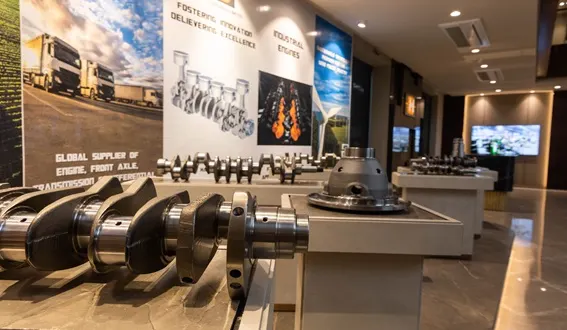
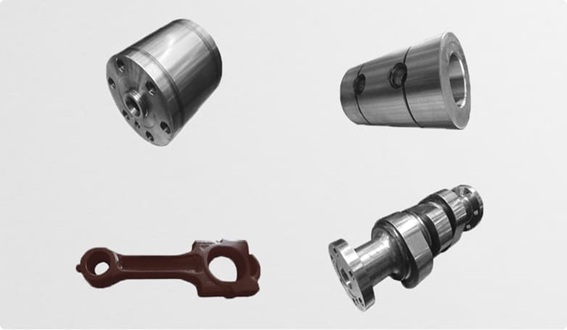
This press allows for the production of large and complex machined components such as crankshafts, connecting rods, and gears, which are essential for modern vehicles. The precision and strength offered by this technology ensure that these components can withstand the high stresses and temperatures experienced in internal combustion engines and other critical systems.
Moreover, the ability to produce lighter components without compromising on strength is a significant advantage in the pursuit of fuel efficiency. The 12000-ton forging press enables manufacturers to reduce the weight of vehicles, leading to better fuel economy and reduced emissions.
Advancements in Aerospace Applications
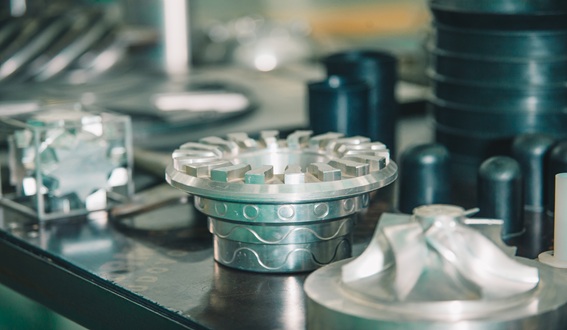
The aerospace industry requires components that are not only strong and durable but also lightweight. The 12000-ton forging press has made it possible to produce high-strength machined components that meet the stringent requirements of the aerospace sector.
For instance, turbine blades, landing gear components, and structural parts for aircraft are now being forged with greater precision and reliability. The enhanced mechanical properties achieved through this forging press ensure that these components can endure the extreme conditions of flight, including high temperatures, pressure changes, and mechanical stresses.
The use of this advanced forging technology also contributes to the overall safety and performance of aircraft, as it reduces the likelihood of component failure during operation.
Enhancing Efficiency and Reducing Costs
One of the most significant advantages of the 12000-ton forging press is its ability to enhance production efficiency while reducing costs. The press’s high capacity allows for the production of large quantities of components in a shorter amount of time, leading to increased throughput and lower per-unit costs.
In addition, the precision offered by such a forging press minimizes the need for secondary machining processes, further reducing manufacturing costs. This is particularly beneficial for industries that require high volumes of machined components with tight tolerances, as it allows them to meet demand while maintaining profitability.
The reduction in material waste is another cost-saving benefit of this technology. The high pressure exerted by the press ensures that the metal is utilized more efficiently, with less material being removed during the forging process. This not only reduces costs but also aligns with the industry’s growing focus on sustainability.
The Role of Automation in Forging
The integration of automation into forging processes has been another key development in the industry. The 12000-ton forging press is often equipped with advanced automation systems that enhance its capabilities and efficiency.
Automated systems can handle tasks such as material handling, die changes, and quality inspections, reducing the need for manual labor and minimizing the risk of human error. This leads to more consistent production outcomes and higher overall quality of machined components.
Furthermore, automation allows for better monitoring and control of the forging process, ensuring that each component meets the required specifications. This level of precision is particularly important in industries like aerospace and automotive, where even minor deviations can have significant consequences.
Challenges and Future Prospects-
While the 12000-ton forging press represents a significant leap forward in forging technology, it also presents certain challenges. The initial investment required to acquire and set up such a machine is substantial, and not all forging companies may have the resources to make this investment.
Additionally, operating and maintaining this forging press requires specialized knowledge and skills. Companies must invest in training their workforce to ensure that they can effectively utilize this technology and maintain it over the long term.
Despite these challenges, the future of forging in India looks promising. The adoption of advanced technologies is expected to drive further innovation and growth in the industry. As more companies embrace these advancements, the quality and competitiveness of Indian-made machined components are likely to improve, strengthening the country’s position in the global market.
In conclusion
Happy Forging Ltd. (HFL) is at the forefront of adopting cutting-edge technologies and has a forging press like 14000-ton, 8000-ton, 4000-ton, and 6300-ton mechanical forging presses & 2500-ton forging screw presses. With a commitment to quality and innovation, HFL is pushing the boundaries of what is possible in the forging industry.
By investing in advanced machinery and automation, HFL ensures that its machined components meet the highest standards of precision and durability. The company’s dedication to continuous improvement and customer satisfaction has made it a trusted partner for clients in the automotive, aerospace, and heavy machinery sectors.
As HFL continues to lead the way in forging innovation, it is poised to play a key role in shaping the future of India’s manufacturing industry. The introduction of such a forging press is just one example of how HFL is pushing the boundaries and setting new benchmarks for excellence in forging.